Wind Damage Roof Repair in Orlando, FL
Wind damage assessment focuses on uplift, movement, edge conditions, ridge components, flashing, fasteners and exposed layers—not only obvious missing shingles.
Wind Damage Changes How Roof Components Work Together
Strong winds can load roofing materials unevenly. The result may be a lifted shingle, displaced tile, shifted ridge cap, flashing separation, fastener movement or an exposed underlying layer.
A wind-damage inspection is most useful when it looks at the affected component plus the adjacent roof area. The visible piece may be the symptom; the repair boundary depends on how far movement or loss of weatherproofing actually extends.
Uplift
Roofing materials can be lifted or displaced without an immediate interior leak.
Edge & ridge movement
Edges, corners and ridge components deserve attention because movement can affect connected roof sections.
Flashing separation
A storm event can alter a transition or seal and create a water-entry pathway during later rainfall.
Wind + Orlando Rain Can Create a Two-Step Problem
Wind damage can expose or weaken a component, while the next rainfall tests whether that new condition allows water into the building. The Central Florida weather connection therefore matters even when the initial wind event created no interior stain.
The right inspection separates wind movement from normal wear. It also checks whether a component can be repaired without disturbing a larger serviceable roof area.
Wind assessment clues
- Lifted or displaced materials
- Movement at ridge or edge areas
- Bent or open flashing
- Exposed underlayment
- Loose fasteners or seams
- New leak after strong winds
Wind Damage Assessment Workflow
A structured assessment helps the property owner understand what changed and where the repair boundary sits.
1. Record the event
Note the date, visible effects and any interior changes noticed after the wind.
2. Document from the ground
Take safe photographs of visible displacement or damage and avoid climbing the roof.
3. Inspect the roof system
Review shingles, tile, metal, ridge areas, edges, flashing and penetrations as appropriate.
4. Compare adjacent areas
Look beyond the first visible defect to determine whether movement is isolated or broader.
5. Define the repair
Choose a repair that restores the affected assembly without creating a patchwork problem.
6. Monitor after rainfall
A post-repair check after significant rain can help confirm that the affected area is no longer an active water-entry point.
Wind Damage Matrix
Wind-related symptoms can have different significance depending on roof system and location.
| What you notice | What may be happening | What the assessment should establish |
|---|---|---|
| Lifted shingle | Uplift or attachment issue | Inspect adjacent shingles, fasteners and the roof slope. |
| Displaced tile | Movement or impact | Review neighboring tile, ridge/hip areas and underlayment clues. |
| Ridge cap movement | Wind uplift at the roof peak | Inspect the ridge assembly and connected roof covering. |
| Flashing separation | Movement at a transition | Assess the flashing and adjacent roof materials. |
| Exposed underlayment | Loss of roof-covering material | Stabilize exposed area and define permanent repair. |
Wind Damage by Roof System
The same wind event can affect different materials in different ways.
Shingle
Inspect tabs, attachment, ridge caps, flashing and exposed underlayment.
Tile
Check displacement, cracking, ridge/hip components and the underlying weatherproofing layer.
Metal
Review fasteners, seams, panel movement, flashing and penetrations.
Low-slope
Review membrane edges, seams, flashings, penetrations and drainage where wind-driven rain may have entered.
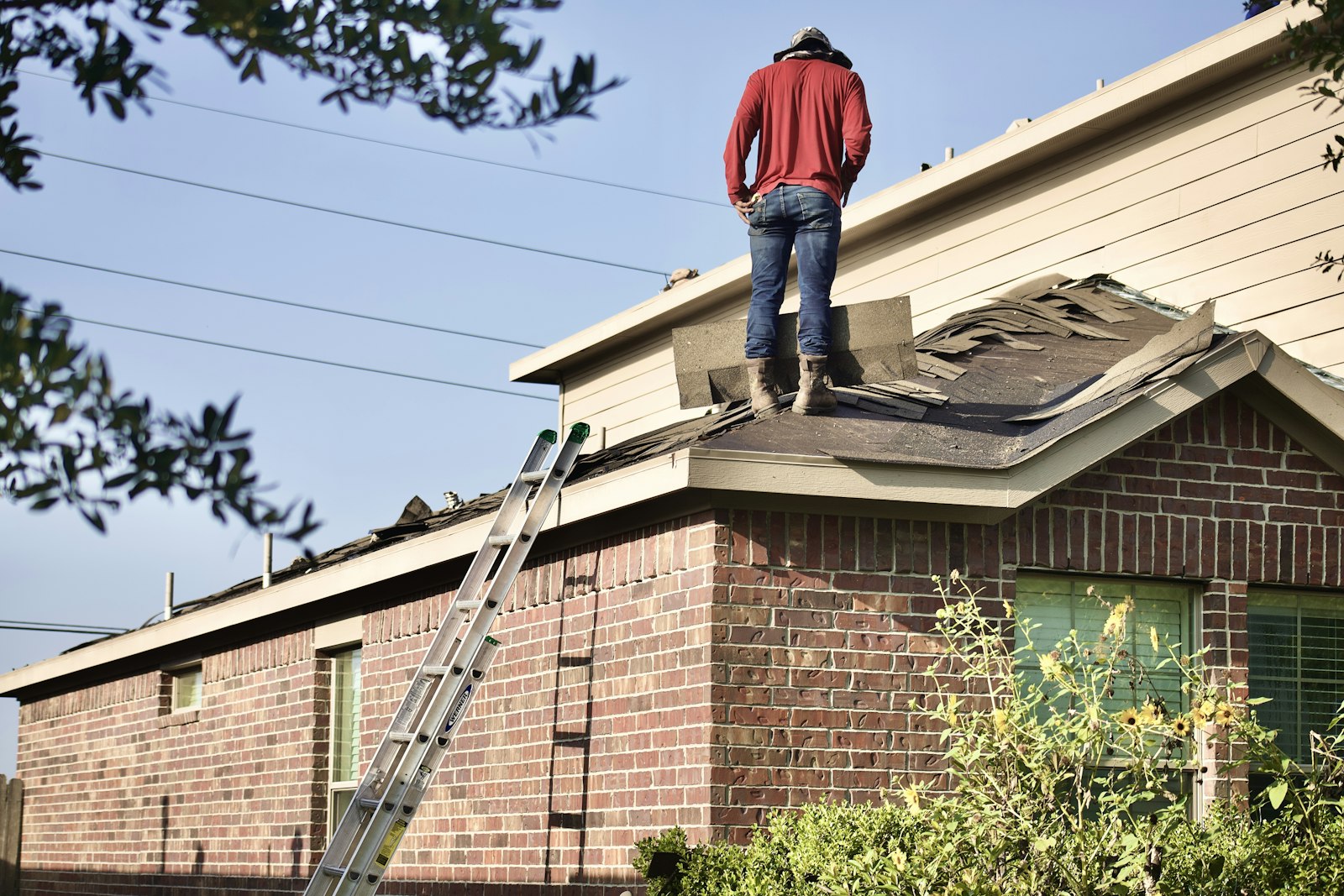
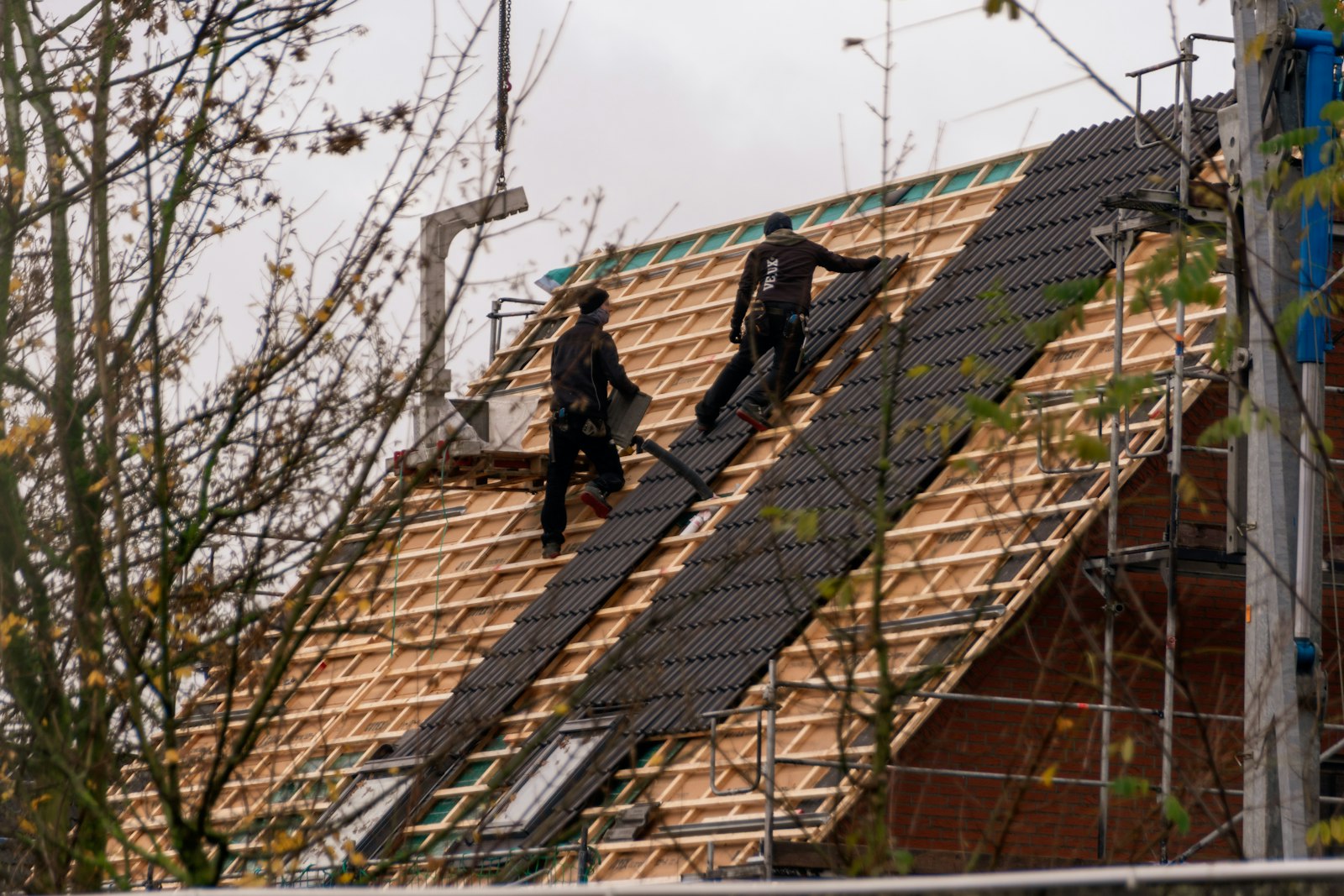
Wind Damage Inspection Visuals

When Wind Damage Is a Repair and When It Signals a Larger Problem
When targeted repair may fit
- Movement is localized.
- The surrounding roof remains sound.
- The affected component can be restored with a compatible repair.
- There is no broader deterioration pattern.
When a broader replacement assessment may fit
- Multiple roof slopes are affected.
- The roof already shows widespread deterioration.
- There are repeated wind-related repairs.
- A durable repair boundary cannot be isolated.
Wind Damage Repair Cost Factors
Wind repair estimates vary with the roof system and the number of components affected.
Wind Damage Inspection Checklist
After Wind Damage: Monitor the Repair
Wind repairs should be monitored during later rainfall. If the repaired area shows a new stain or leak, report it rather than assuming the issue is unrelated.
Routine roof observation and post-storm inspections can help identify changes before water entry becomes a larger property problem.
Wind Damage Roof Repair Coverage
Wind-damage service follows the Orlando/Central Florida service-area structure and can be paired with storm, inspection and emergency roofing services.
Wind Damage Roof Repair FAQs
Can wind damage exist without a visible leak?
Yes. Roofing components can be displaced or compromised before water enters the building.
Can shingles look normal after strong winds?
They can. Ground-level viewing is limited, so a closer assessment can be useful when damage is suspected.
What should be inspected after strong winds?
Shingles, tile, ridge caps, edges, flashings, fasteners, penetrations and exposed underlayment are relevant inspection areas.
Do wind-damaged tiles always need replacement?
Not every tile issue means the entire roof must be replaced. The affected tile, surrounding system and weatherproofing layer should be evaluated.
Can wind damage cause a leak later?
Yes. If a component is displaced or a transition is compromised, later rainfall can reveal the failure.
How do you document wind damage?
Use photographs and written notes that identify location and condition. Insurance decisions remain with the policy and carrier.
Does wind damage always mean storm damage?
Wind can be part of a broader storm event, but the roof should be evaluated for the actual observed cause and condition.
Can wind damage be repaired without replacing the roof?
Localized damage on an otherwise serviceable roof can often be approached with targeted repair.
What if the same area has been repaired before?
Recurring damage or repeated repairs can indicate a broader issue that deserves a wider inspection.
Do City of Orlando permit rules apply to wind-damage repair?
Permit requirements depend on scope and jurisdiction. For properties inside the City of Orlando, verify the specific roof-work permit process with the city.
Continue Through the Orlando Roofing Service Cluster
Use these pages when the property issue touches a related service or when you need a second step after the current assessment.
Suspect Wind Damage on Your Orlando Roof?
Document what you can safely see, then use a roof inspection to determine whether the condition is localized, repairable or part of a broader roof problem.
Wind Damage: Inspect the Component and the Connection
Wind damage is not limited to missing shingles. The roof is an assembly of connected components, and movement at one point can affect adjacent materials. Edges, ridges, fasteners, flashings and penetrations deserve attention because they may control the transition from the roof surface to another building element.
Uplift
Look for displaced or lifted roofing materials and changes at attachment points.
Transitions
Check flashing and edge details where movement can create a new path for rain.
Follow-up rain
A wind-affected component may become an active leak only when subsequent rainfall reaches the area.
Wind damage without a leak
A roof can have a compromised component before water enters the building. That is why a post-wind assessment should document the roof condition even when there is no interior stain.
Repair boundary
If the damage is confined, a targeted repair may be appropriate. If several slopes are affected or the roof already has broad deterioration, the correct next step may be a wider condition assessment.
Wind Damage: Why Edges, Ridges and Flashings Matter
Roof wind performance depends on how materials are attached and how the roof transitions from one component to another. A visible lifted shingle can be the obvious sign, but an assessment should also examine ridge caps, edge details, flashings, fasteners and penetrations that may have moved during the same event.
Ridge areas
Movement at the roof peak can affect connected roofing components and deserves dedicated inspection.
Edges
Perimeter areas can experience different wind loads and may show displacement or attachment concerns.
Flashing
Wind movement can separate or stress transitions, creating a water pathway during later rain.
Wind damage does not always produce an immediate leak
The roof can have a compromised component before interior water appears. That is why post-wind assessment is useful even when the building is dry. The purpose is to establish current condition, not assume damage simply because strong winds occurred.
When damage is localized and the surrounding system is serviceable, targeted repair can be appropriate. When multiple slopes or components are affected, or when the roof already has broad deterioration, the more appropriate next step may be a broader condition assessment.
Wind Damage Repair Should Be Based on the Roof Area, Not Just One Piece
Wind-related repair can be deceptively small or broad. A lifted shingle may be isolated, or it may be one visible sign of movement across the slope. Ridge caps, edge areas, flashings and fasteners can also be part of the same event. That is why the inspection should define the affected roof area before repair is authorized.
Wind Damage: Post-Repair Monitoring
After a wind-damage repair, monitor the repaired area during subsequent significant rainfall. If a new stain, drip or visible displacement appears, report the recurrence rather than assuming it is unrelated.
Keep the inspection photographs and repair scope with the roof records. This makes future storm assessments easier and provides a clear history of what was repaired previously.