Shingle Roof Repair Orlando FL
A shingle roof can look broadly intact while a small failure lets water travel beneath the surface. Orlando homeowners may first notice one missing tab, a dark ceiling spot, loose shingle edges or granules collecting near a downspout. The visible symptom does not always identify the actual entry point. Shingle roof repair Orlando FL should therefore start with the roof plane and the details that interrupt it: flashing, valleys, ridge caps, drip edge, pipe boots and other penetrations. Our servi
The Shingle Roof Repair Question Is Usually Bigger Than One Missing Shingle
A shingle roof can look broadly intact while a small failure lets water travel beneath the surface. Orlando homeowners may first notice one missing tab, a dark ceiling spot, loose shingle edges or granules collecting near a downspout. The visible symptom does not always identify the actual entry point. Shingle roof repair Orlando FL should therefore start with the roof plane and the details that interrupt it: flashing, valleys, ridge caps, drip edge, pipe boots and other penetrations.
Our service focus is targeted repair of asphalt and architectural shingle systems. The goal is to determine whether damage is isolated, connected to a detail failure, or part of a wider pattern of wear. That distinction helps keep a repair appropriately sized instead of turning a small defect into an unnecessary whole-roof project. When the visible damage is tied to water intrusion, roof leak repair should follow the likely entry path rather than the ceiling stain alone.
Missing, Lifted and Wind-Damaged Shingles
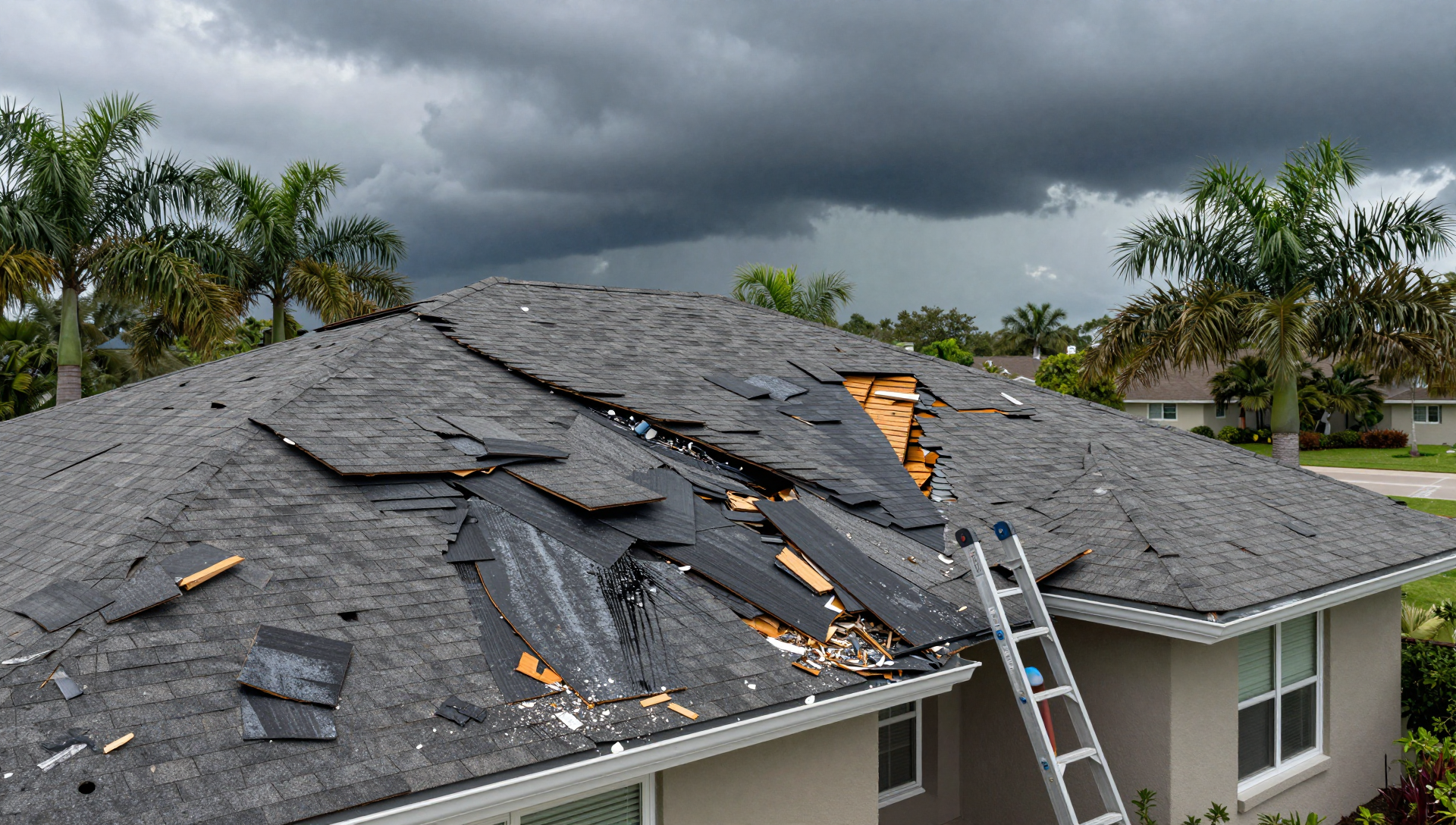
Wind can lift tabs, expose fastener areas, move ridge caps and tear individual shingles away from the roof. A few missing shingles after a storm may support a localized repair, but loose shingles nearby should also be inspected because wind often affects a zone rather than a single piece.
Blown-off shingle repair should include the adjacent courses when needed to restore the water-shedding pattern. The repair should also check whether flashing or ridge details were disturbed at the same time.
Roof-system checkpoints
- Roof surface
- Flashing and transitions
- Penetrations
- Water-shedding path
Cracked, Curled and Blistered Shingles
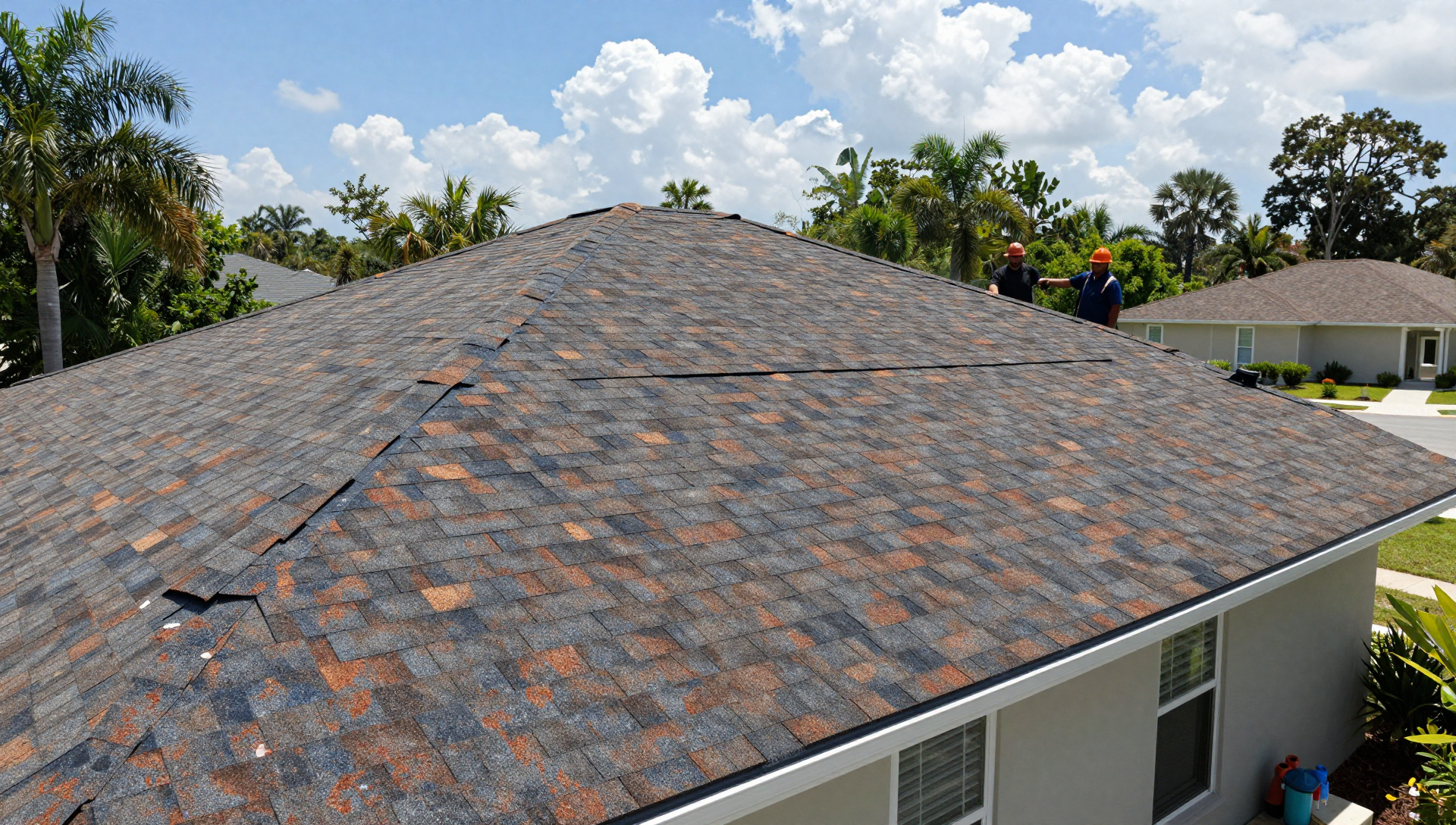
Cracks can result from impact, aging, installation stress or repeated weather exposure. Curled shingles can appear at edges and corners, while blisters are a separate surface condition that should be evaluated rather than assumed to be ordinary wear. Widespread surface deterioration changes the repair conversation because isolated replacement may not address the roof's overall remaining condition. A professional roof inspection can help determine whether curling and cracking are localized or part of broader deterioration.
The useful question is whether the damaged area is discrete and repairable or whether deterioration is occurring across multiple slopes. A shingle roof inspection helps establish that boundary.
Granule Loss and What It Can Tell You
Granules shield the asphalt surface from weather exposure. Some loose granules are expected over a roof's life, but substantial or concentrated granule loss can indicate surface wear, impact or a localized defect. The meaning depends on age, pattern and the condition of surrounding shingles.
A repair decision should consider granule loss alongside curling, cracking, exposed mat, repeated leaks and the condition of roof details. One sign rarely tells the entire story.
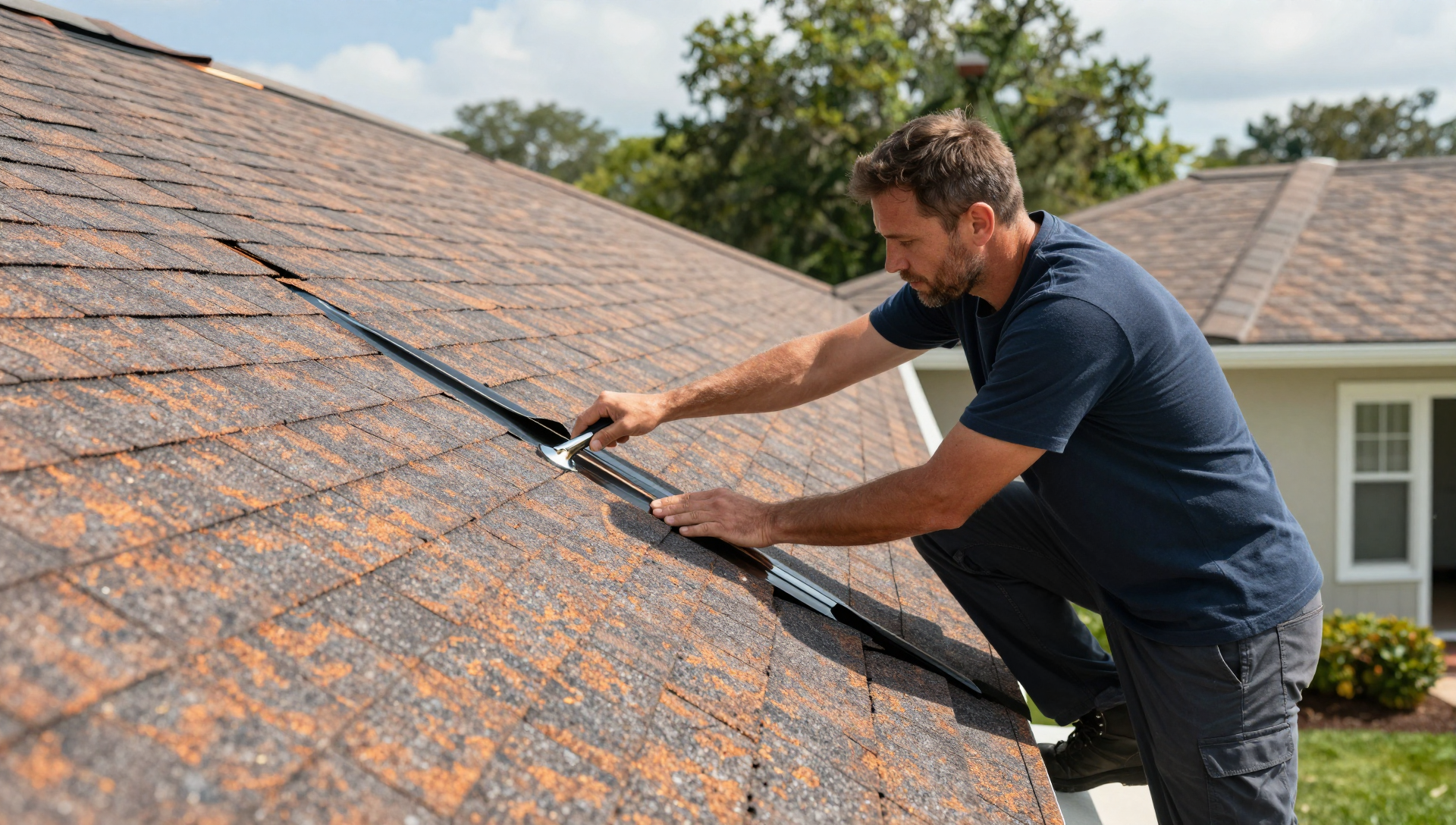
Flashing, Valleys, Ridge Caps and Penetrations
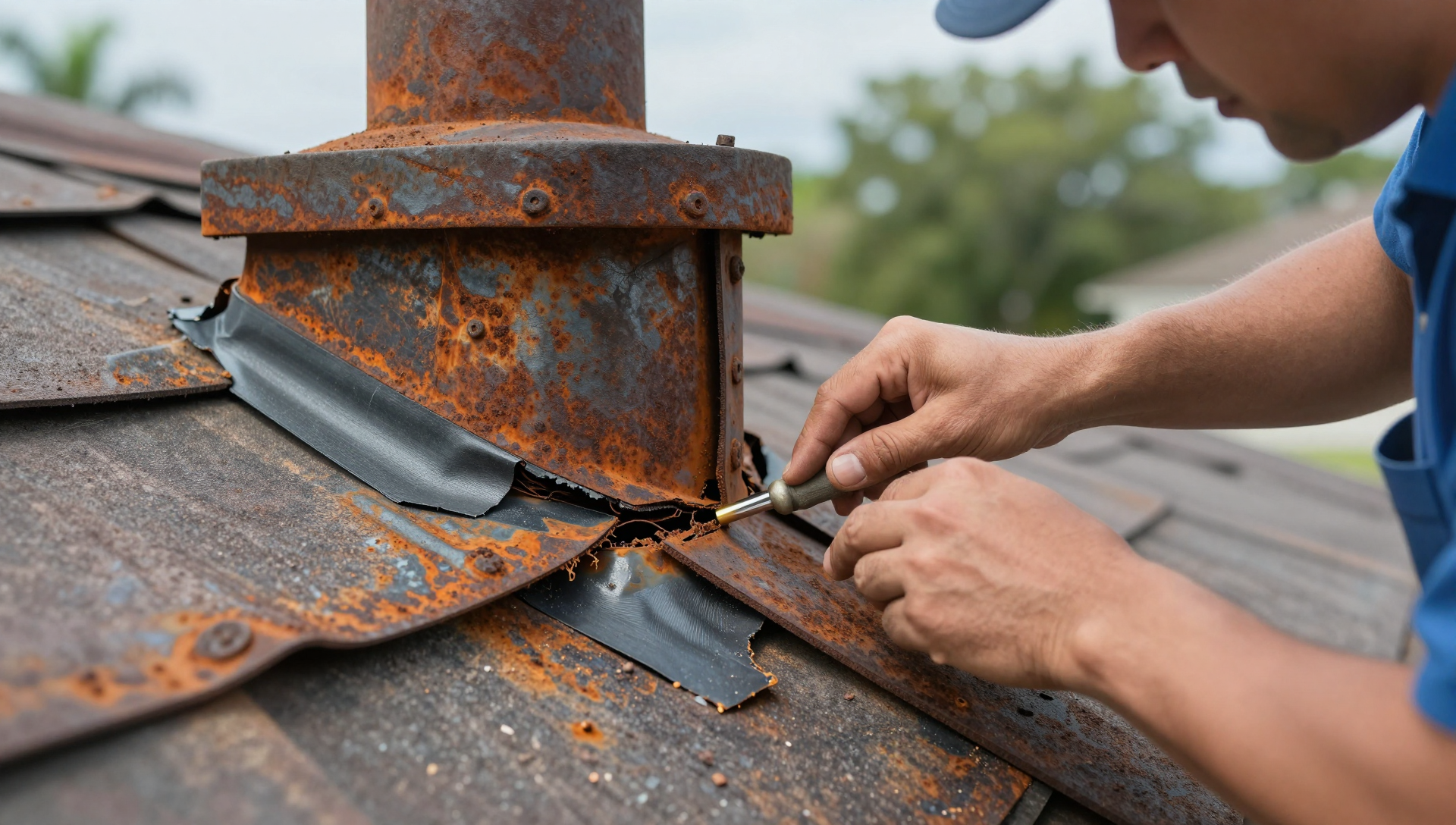
Shingles shed water across a slope, but flashing and other details handle transitions and interruptions. Step flashing, wall intersections, valleys, pipe boots and vent penetrations are common diagnostic points when a ceiling stain appears.
A shingle flashing repair may be the real solution even when the first thing visible from the ground is a damaged shingle. Replacing the shingle while leaving the failed transition in place can produce a repeat leak. Storm-related shingle loss is a reason to review storm and hurricane roof damage around the same roof slope.
Roof-system checkpoints
- Roof surface
- Flashing and transitions
- Penetrations
- Water-shedding path
Underlayment and Roof Deck Clues
Shingles are the visible weathering layer, not the entire roof assembly. Persistent moisture can affect underlayment and eventually the deck beneath. Surface inspection can reveal staining, exposed layers, soft areas or other clues, although not every underlying condition is directly observable without additional access.
A professional assessment should distinguish confirmed findings from areas that could not be seen. That keeps a written estimate tied to evidence rather than assumptions.
Architectural Shingles vs. 3-Tab Repair
Architectural shingles and older 3-tab products have different profiles and visual patterns. A repair should match the existing shingle type and exposure so the finished area functions and looks coherent. An exact color match can also be difficult on weathered roofs because sun exposure changes the installed appearance over time.
Where a product is discontinued, the repair plan should explain realistic matching options. This matters more as repair areas expand or older roofs accumulate several generations of replacement shingles. If the roof is showing widespread age-related failure, roof replacement may be more appropriate than repeated isolated repairs.
Florida Heat, Rain and Storm Exposure
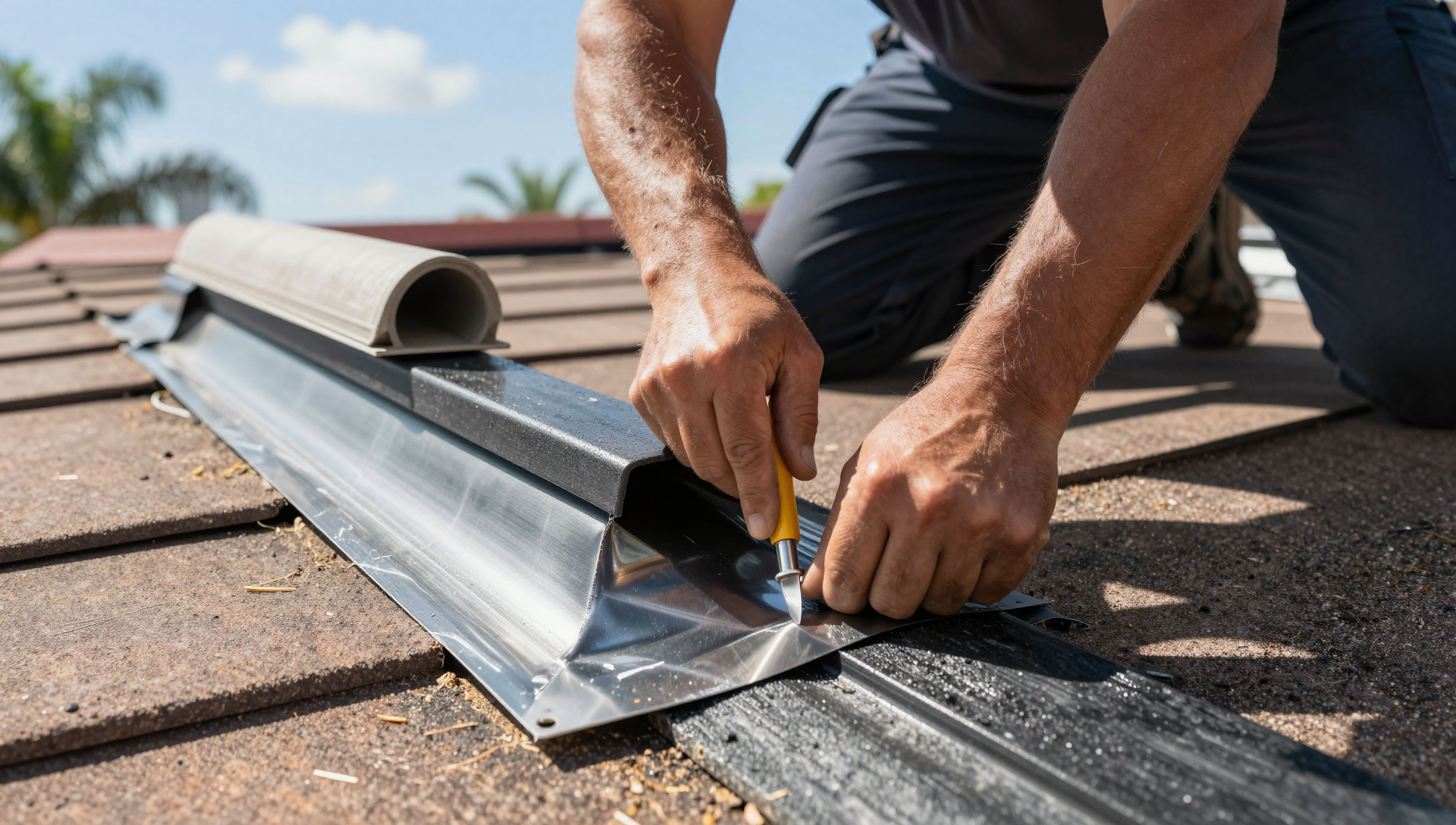
Central Florida subjects asphalt shingles to strong sun, heavy seasonal rainfall and periodic wind events. Those conditions can reveal weak points around ridge caps, flashing and penetrations while also accelerating normal surface aging. After a significant storm, a visual check for missing, lifted or cracked shingles can help identify whether a closer inspection is warranted. Roofing conditions in communities such as Baldwin Park are evaluated within the same Orlando-area service network.
Local weather does not automatically mean a roof needs replacement. It means maintenance and post-storm observation are useful parts of keeping a shingle system serviceable.
Roof-system checkpoints
- Roof surface
- Flashing and transitions
- Penetrations
- Water-shedding path
Leak Diagnosis on a Shingle Roof
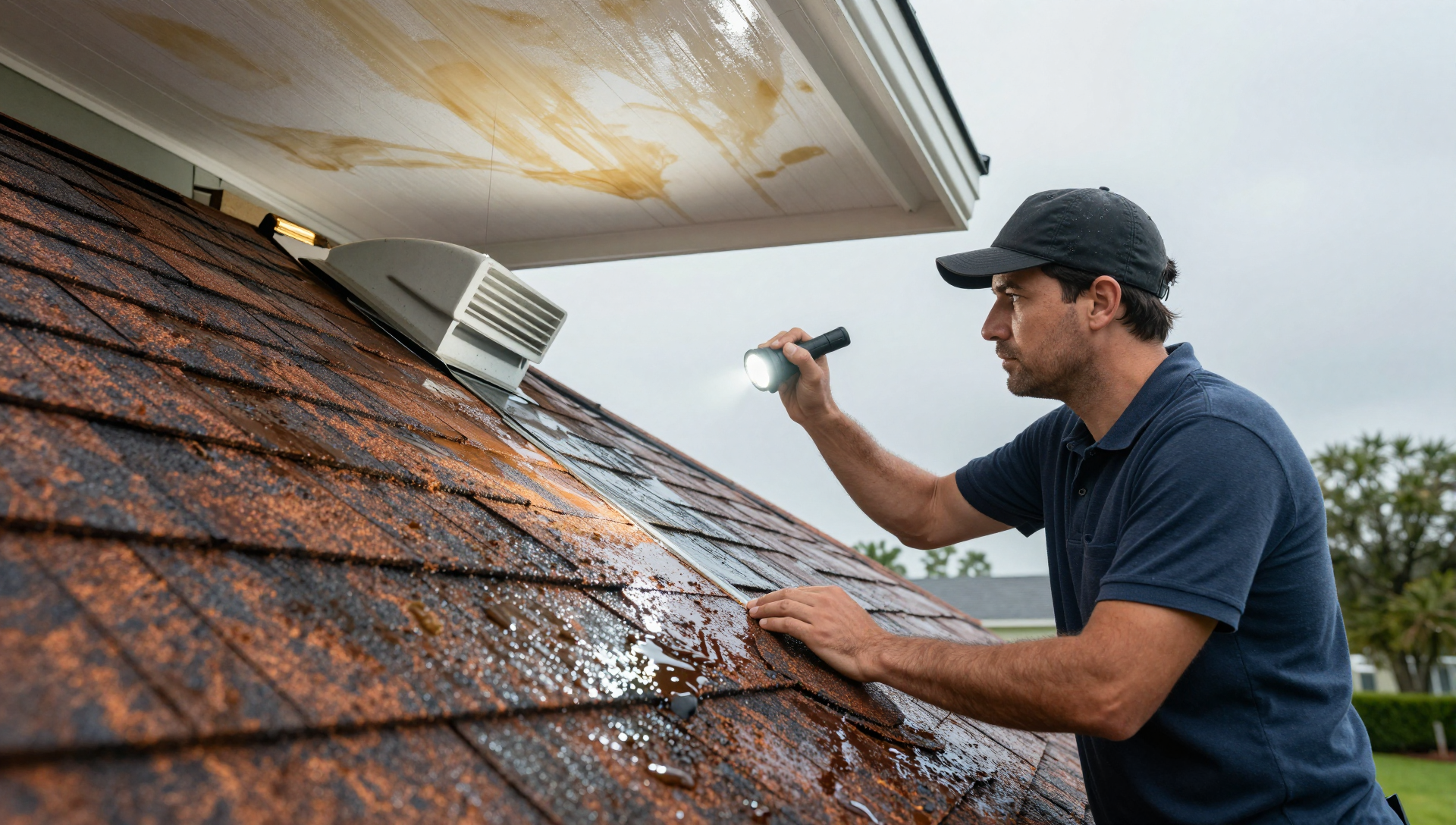
Interior water stains are clues, not maps. Water can travel along decking, framing or underlayment before appearing indoors. A good diagnosis compares the interior symptom with likely exterior entry points and checks the shingle courses around nearby details.
For shingle roof leak repair, tracing the path is more useful than sealing the first gap that looks suspicious. The repair should follow the cause that can be supported by inspection evidence. Active interior water entry can call for emergency roof leak repair while the larger cause is being confirmed.
Repair or Shingle Roof Replacement?
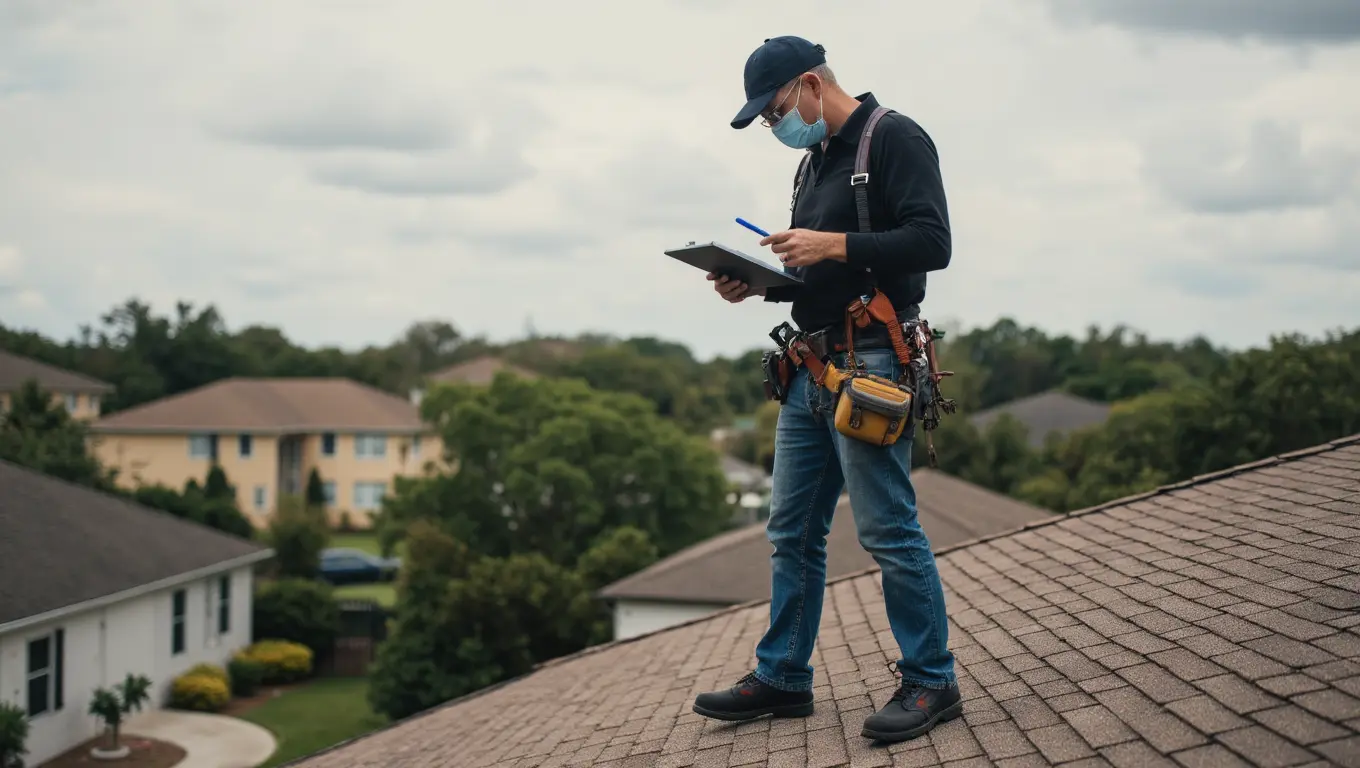
Targeted repair is often sensible for localized defects when surrounding shingles and roof details remain in reasonable condition. Replacement becomes more relevant when deterioration is widespread, repair areas keep recurring, or deeper system conditions make individual repairs increasingly unreliable.
The decision should consider roof age, repeated leak history, condition of shingles, flashing, valleys, ridge caps, underlayment evidence, deck evidence and ventilation where accessible. A written estimate should explain the scope and the reason behind it.

Maintenance That Helps Protect Shingles
Keep drainage paths clear, remove debris, observe roof edges after major weather and address visible flashing or penetration issues promptly. Avoid unnecessary foot traffic and have unusual leaks investigated rather than repeatedly sealing interior symptoms. Homeowners can also compare the scope with residential roof repair guidance when the property is a single-family or residential roof.
Maintenance cannot stop every storm loss, but it can reduce the chance that a small shingle or detail problem becomes a larger water-intrusion issue.
Roof-system checkpoints
- Roof surface
- Flashing and transitions
- Penetrations
- Water-shedding path
Field Notes That Can Improve the Diagnosis
One practical advantage of a roof-system-specific inspection is that it helps separate a shingle failure from a building-envelope problem. For instance, a ceiling mark near an exterior wall can relate to step flashing, while a stain below a valley can follow a water path that is not visible from the room. Likewise, granules in a gutter may reflect ordinary aging in one roof and concentrated surface loss after impact in another. The repair scope should therefore connect the visible evidence to the component being recommended for work. Homeowners can also improve the usefulness of an inspection by photographing the interior stain, noting whether it appears only during heavy rain, and recording whether anything changed after recent wind. None of these observations replaces roof access, but they help establish a timeline. The more clearly the timeline and roof symptom are understood, the easier it is to distinguish a one-time shingle defect from a recurring roof-system problem. Where the roof has changed materials or includes another roof plane, tile roof repair or another system-specific service may be relevant to the adjoining area.
Repair or Replacement: How the Roof-System Decision Changes
| Condition | Typical finding | Likely direction |
|---|---|---|
| Localized shingle damage | Few missing, cracked or lifted shingles | Targeted repair |
| Related detail failure | Flashing, valley or ridge issue | Repair the detail and adjacent shingles |
| Widespread aging | Broad curling, granule loss or repeat repairs | Replacement assessment |
A Shingle Repair Evaluation
Inspect the affected slope
Review the visible shingle field and the roof details connected to the suspected failure.
Trace the repair boundary
Separate isolated damage from patterns involving adjacent courses, flashing or storm exposure.
Explain the written scope
Identify the components being repaired and why the scope is appropriate for the existing roof condition.
Complete compatible repairs
Restore the affected shingle system and review nearby details before closing the job.
Orlando and Central Florida Roof-System Considerations
Orlando's heat, rainfall and wind cycles can expose shingle weaknesses at the roof surface and around flashing, ridge caps and penetrations. After significant weather, visible displacement or new interior staining is a reason to inspect the roof rather than assume the issue is cosmetic.
Roof Repair Orlando FL operates from 6530 Swissco Dr #1117, Orlando, FL 32822 and uses the same business identity for service-area work. Written estimates and a 10-year written workmanship warranty are approved business claims. We also serve homeowners in Baldwin Park, College Park.
Verified business information
- Roof Repair Orlando FL
- CCC1327217
- (689) 282-5370
- Serving since 2001
View Roof Repair Orlando FL on Google Maps
This verified map identifies the business location used for the service pages. These pages do not represent separate branches.
Practical Guidance Before the Repair Begins
A practical shingle-repair scope should answer four questions before work starts: what failed, how far the failure extends, what adjacent components were checked, and why repair is preferable to broader replacement. For example, replacing a missing shingle is a different scope from correcting a flashing defect that has been channeling water behind several courses. The estimate should make that distinction visible so the homeowner is not left guessing what the crew is actually addressing. Shingle color and age are also practical considerations. Asphalt shingles weather under the Florida sun, so a new piece may not look identical to an older field even when the profile is correct. That does not automatically make repair a poor choice; it simply means the expected finished appearance should be discussed. On an older roof with discontinued products, the availability of a compatible match can be one factor in deciding whether a localized repair remains sensible.
Why Repair Scope Matters on This Roof System
The repair boundary is especially important where shingles meet another roof material or a vertical wall. A small leak may involve step flashing, counterflashing or the edge of a valley rather than the field shingle itself. The estimate should explain that relationship in plain language so the homeowner understands why a repair may include more than replacing visible shingle pieces. For recurring leaks, compare the current findings with any prior repair locations. Repeated work in the same area is useful history because it can indicate that the underlying detail has not been corrected. That history should be considered alongside present roof condition before deciding whether another limited repair or a broader replacement assessment is appropriate.
Roof-System Questions Homeowners Ask
Can damaged shingles be repaired without replacing the entire roof?
Often. When damage is localized and the surrounding shingle field and roof details remain serviceable, individual shingles or a limited area can be repaired. Inspection is needed to confirm that the problem is not part of a wider deterioration pattern.
What causes shingles to lift after a storm?
Wind can lift tabs or disturb shingle courses, especially where fastening, adhesive bonding or nearby ridge and flashing details are vulnerable. A post-storm check should look beyond the one lifted shingle.
How do I know whether a missing shingle caused a leak?
A missing shingle creates a vulnerable area, but water may enter at another point or travel before appearing indoors. Exterior inspection combined with the interior symptom is the reliable way to identify the likely source.
Can curled shingles still be repaired?
A small number may be replaced, but widespread curling can indicate aging of the shingle surface. The overall condition should be considered before choosing isolated repairs.
What does granule loss mean on asphalt shingles?
Granules protect the shingle surface. Significant or patterned granule loss can indicate wear or impact, but its importance depends on the roof's age, location and other visible conditions.
Can architectural shingles be repaired like 3-tab shingles?
Both are asphalt shingle systems, but their profiles and installed patterns differ. Replacement shingles should be compatible with the existing roof rather than selected only by color.
Does shingle roof repair include flashing?
When flashing is part of the failure, it should be addressed as part of the repair. Flashing, valleys, ridge caps and penetrations are important because many leaks begin at these transitions.
When should I consider shingle roof replacement instead of repair?
Replacement becomes more relevant when deterioration is widespread, repairs are repeatedly needed, or the underlying roof system shows conditions that make isolated fixes unlikely to provide a dependable result.
Compare Roof Repair by System
These related resources help when the next decision depends on the roof system, leak type, or broader property context.
Need the Right Repair for Your Shingle Roof?
Describe the problem you are seeing and request the roof-system-specific service that fits your property. You can also call the Orlando team directly.