Architectural shingles
A common residential surface with many style options. Replacement planning should still address the full roof system beneath the visible shingles.
A full roof replacement is a major project. The right starting point is not a sales pitch; it is a clear explanation of why replacement is appropriate, what parts of the roofing system are involved, which materials fit the property, and how the installation is planned.
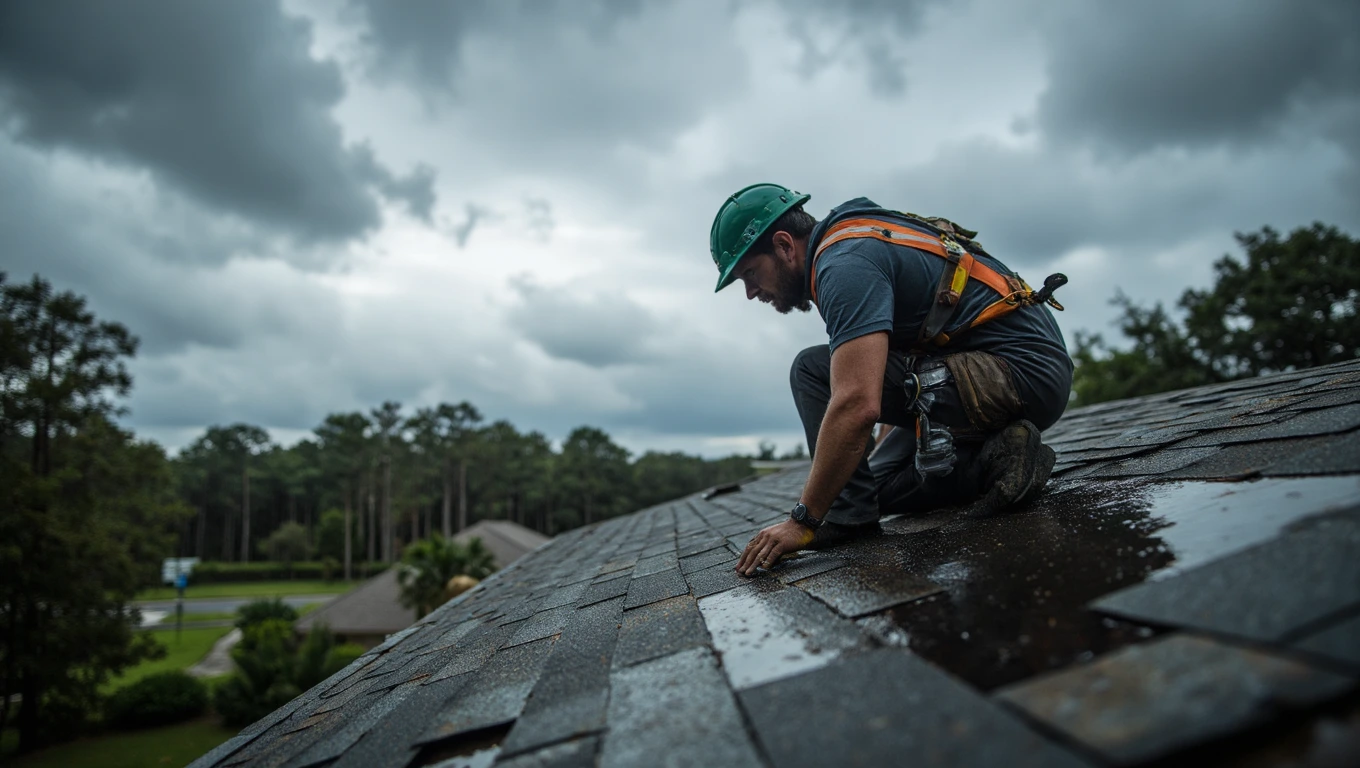
Roof replacement is not simply a bigger version of roof repair. It resets the roofing system and can address multiple layers at once: surface material, underlayment, flashing, edge details, ventilation considerations, and portions of the roof deck when needed. Because the scope is larger, the decision deserves a broader inspection than a single leak call.
A practical replacement conversation starts with roof age, current material, extent of damage, repair history, visible deterioration, and the condition of the underlying assembly. A roof does not become a replacement candidate just because one shingle is missing. Conversely, repeated leaks, widespread deterioration, or compromised decking may make continued spot repair less sensible.
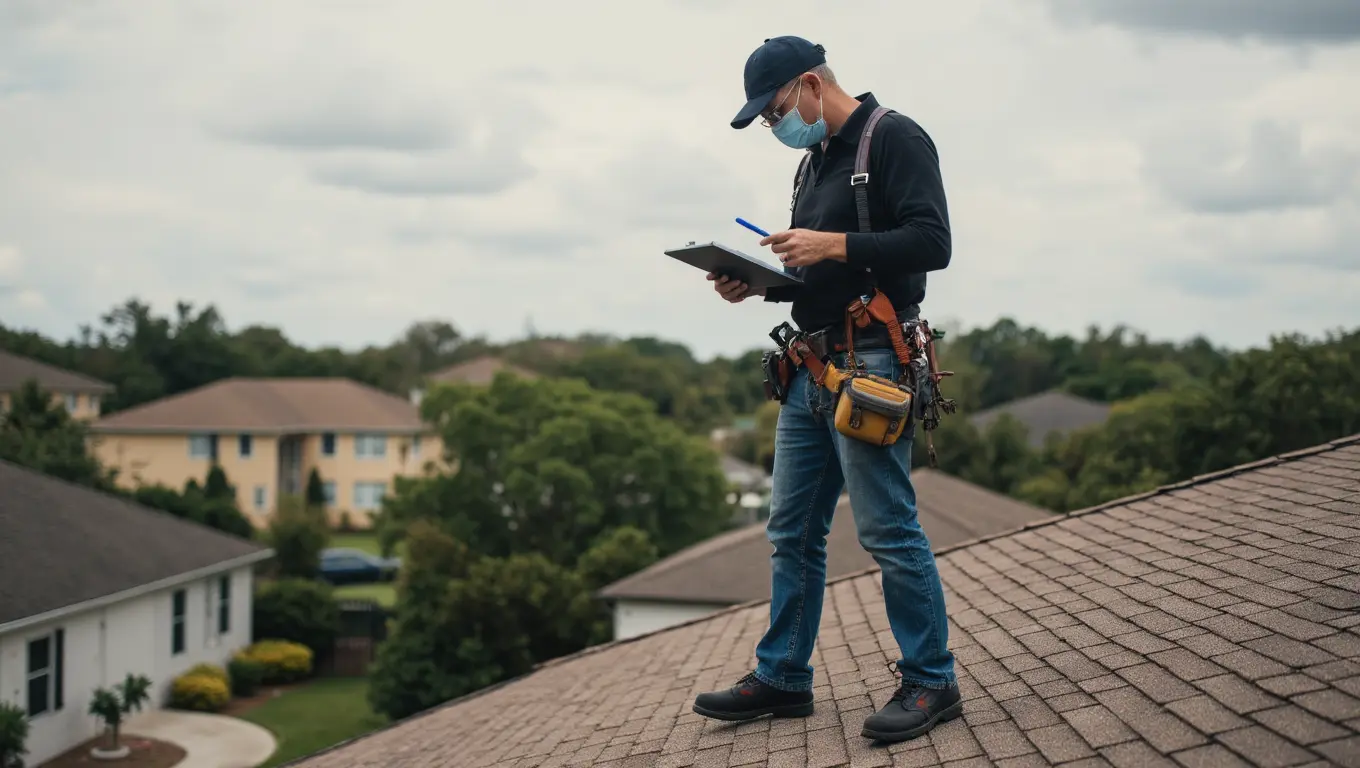
A common residential surface with many style options. Replacement planning should still address the full roof system beneath the visible shingles.
Clay and concrete tile can provide a durable exterior surface, but installation depends on compatible underlayment, flashing, attachment and the building's existing structure.
Metal options include panel systems and other profiles. The installation details, seams, fasteners or clips, and transitions deserve careful planning.
TPO, EPDM and modified bitumen systems use different installation methods from steep-slope roofing and place more emphasis on membrane seams and drainage.
Homes, townhomes and other residential properties may have mixed slopes or roof sections that require different material choices within one project.
Business and multifamily properties can involve larger low-slope areas, rooftop penetrations, drainage planning and project scheduling around operations.
| Component | Why it matters in a replacement |
|---|---|
| Tear-off | Removes existing roofing layers as required by the project so the underlying assembly can be assessed. |
| Roof deck | Provides the structural base for the roofing system. Damaged or deteriorated areas may require repair. |
| Underlayment | Provides an important water-shedding layer beneath the exterior roof covering. |
| Flashing | Manages water at transitions, walls, valleys and penetrations. |
| Drip edge | Helps direct water at roof edges and supports proper edge detailing. |
| Ventilation | Can affect attic conditions and roof-system performance, depending on the building design. |
| Drainage | Especially important on flat and low-slope systems where water must be directed to the intended outlets. |
Roof replacement cost varies because the project is a combination of roof size, material, roof geometry, access, tear-off conditions, deck condition, flashing complexity, penetrations, drainage, ventilation and other construction details. A single citywide price range can be misleading because two Orlando roofs with the same footprint can have very different scopes.
A written estimate is more useful when it describes the work itself: what is being removed, what materials are proposed, which system components are included, and what conditions could change the final scope.
Confirm roof condition, material options, access and the work required to replace the existing system.
Plan staging, property protection, material delivery and safe work access before tear-off begins.
Expose the underlying assembly so deck and system conditions can be evaluated.
Complete deck repairs as scoped, then install underlayment, flashing, edge details and the selected roof covering.
Complete project cleanup, review the finished work, and provide applicable written warranty documentation.
When the problem is localized, the roof is otherwise serviceable, and the surrounding assembly is in good condition.
When defects are widespread, repair history is recurring, or the roof is approaching the point where a full system reset makes more sense.
When decking, concealed moisture, or inaccessible areas create uncertainty that cannot be resolved through the initial visible inspection.
A replacement project should account for the Central Florida environment without turning the estimate into generic climate marketing. Heat and UV exposure, heavy rainfall, storm events, roof drainage, and the building's ventilation setup all affect how the completed roofing system performs.
Material choice also matters. Asphalt shingles, tile, metal, and low-slope membranes have different installation details and maintenance profiles. The right choice is the one that fits the building, existing structure, project requirements and practical goals.
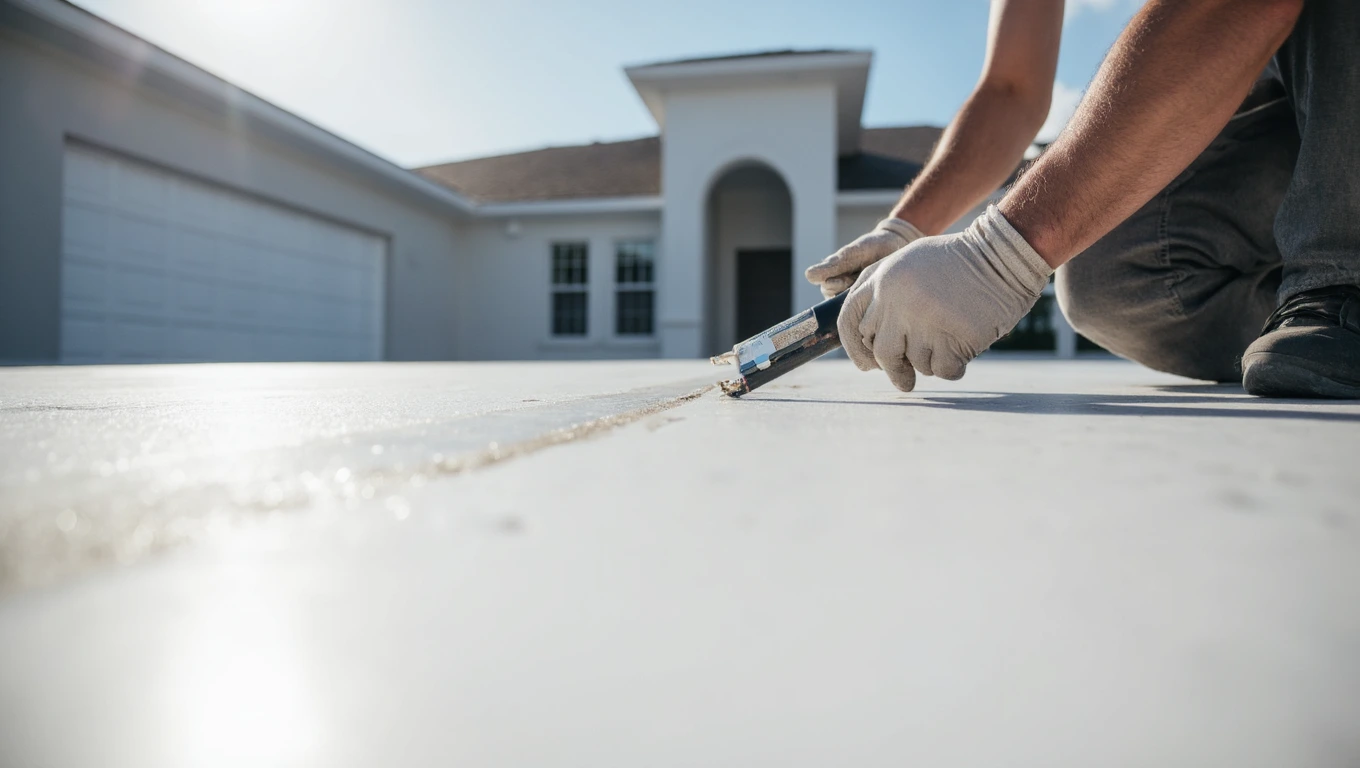
Florida roofing license CCC1327217.
Project scope and pricing should be presented in writing before authorized work proceeds.
Verified business information includes a written 10-year workmanship warranty.
A roof replacement becomes easier to manage when the important decisions are made before tear-off begins. Start with the reason for replacement: widespread storm damage, age-related deterioration, repeated leaks, failing roof components, or a combination of issues. Then confirm the roof type and the areas that actually need a new system.
Material selection should fit the building rather than follow a single “best roof” formula. Shingles, tile and metal each create different installation considerations. Low-slope roofs may require TPO, EPDM or modified bitumen systems with different seam, flashing and drainage details. A replacement plan for a mixed-slope property may therefore contain more than one system.
It is also worth clarifying what happens if the deck is damaged after the existing roof is removed. The written scope should explain how unexpected conditions are handled, so a project does not become a surprise once the roof is open.
Two roof replacement estimates can look very different even when they describe the same square footage. The difference often comes from what is included between the visible roof covering and the finished project. A useful comparison should make the roofing system understandable instead of focusing only on a single total number.
Review the proposed surface material first, then look at the layers beneath it. Ask whether tear-off and disposal are included, how underlayment is handled, what flashing work is part of the scope, and how damaged decking will be identified. Edge details such as drip edge and the treatment of roof-to-wall transitions can influence water management. On low-slope roofs, membrane seams, penetrations and drainage deserve their own line of attention.
Project logistics matter too. Replacement can involve material delivery, protection of landscaping or adjacent areas, access planning, weather interruptions and cleanup. If the property is occupied, the owner should understand which portions of the home or building are likely to be affected during the work. Clear communication about these items is part of a good replacement plan.
A replacement estimate should be tied to the actual roof layout and affected sections rather than a generic home-size assumption.
Understanding exclusions helps prevent confusion about decking, hidden conditions, interior restoration or unrelated building work.
Written scope, material details and warranty information make it easier to compare proposals and understand what you are authorizing.
A new roof is not finished when the last visible material is installed. The owner should know what system was selected, what workmanship is covered, and which areas deserve normal future attention. Good project documentation also helps future inspections by creating a record of the material and installation scope.
For Orlando properties, future care can include watching drainage, keeping an eye on flashing and penetrations, and responding to storm-related changes instead of assuming a new roof cannot develop a problem. A replacement reduces the number of aging components, but normal inspection and maintenance still matter.
When the roof has obvious widespread damage, replacement planning can be straightforward. When the evidence is mixed, an inspection is the better first move. It is reasonable to ask what is actually failing, how much of the roof is affected, and whether a targeted repair would preserve a serviceable system. A replacement should solve a defined roof problem, not simply replace uncertainty with a larger project.
A replacement is an opportunity to address the roof as an assembly instead of simply installing a new surface over an old problem. The visible material is important, but so are the layers and transitions beneath it. Underlayment, flashing, roof edges, penetrations, ventilation and drainage can all influence how the finished system performs.
Material selection should also respect the structure. Asphalt shingles are common on residential roofs, while tile and metal create different attachment and detailing needs. Low-slope commercial or residential sections may use membranes with seam and drainage requirements that differ substantially from steep-slope roofing.
Owners should also understand the boundary of the project. Decking, interior damage and other building conditions may sit outside the basic roof-covering scope. A clear written estimate explains what is included and how unexpected conditions are handled so the replacement does not become an undefined project halfway through.
Replacing a roof is a system decision, not only a material-selection decision. A well-defined Orlando roof replacement scope should describe what happens before new roofing is installed and what components are expected to be evaluated during the project. Depending on the property, that can include tear-off, roof deck condition, underlayment, flashing, drip edge, ventilation considerations, drainage details, and the interface between the new roofing and existing penetrations.
Material selection should follow the building and roof design. Asphalt shingles may be appropriate for many residential applications, while tile and metal have different installation and detailing requirements. Low-slope and commercial roofs may use systems such as TPO, EPDM, or modified bitumen. The best choice should be based on the roof's configuration, project goals, and applicable installation requirements rather than a generic recommendation.
An estimate is easier to compare when it distinguishes the visible scope from conditions that may only become apparent after tear-off. For example, a deck area that appears serviceable from above may require closer evaluation once the existing roof assembly is removed. Good project communication should explain how such findings are handled, what is included in the base scope, and what would require a documented change.
Replacement decisions can also be made more confidently when repair history is part of the discussion. Repeated repairs, widespread deterioration, or a roof that is nearing the end of its useful service life may support replacement, while a localized problem on an otherwise sound roof may not. A condition-focused inspection helps keep the decision grounded in the actual roof rather than the age of the property alone.
Before installation begins, a replacement discussion should also cover site preparation, material delivery, safe access, protection of landscaping or occupied areas, and cleanup expectations. These details do not replace the roofing scope, but they make a larger project easier to understand and coordinate from the start.
For Orlando homeowners and property owners, a written replacement estimate is most useful when it connects the selected roof system to the actual building rather than presenting a generic package. The objective is a durable, clearly defined installation plan based on the roof condition and project requirements.
Replacement becomes more relevant when deterioration is widespread, repair history is recurring, the roof is near the end of its service life, or the underlying assembly has broader concerns.
A project can involve tear-off, deck assessment, underlayment, flashing, drip edge, ventilation considerations, drainage details and installation of the selected roofing material.
Some projects can be scoped as partial or section replacement when damage is localized and the roof system allows it. Feasibility depends on the roof design and surrounding condition.
Depending on the property, options may include asphalt shingles, tile, metal and low-slope systems such as TPO, EPDM or modified bitumen.
Age matters as part of the larger condition picture. An older roof with repeated repairs may be a weaker candidate for continued spot repair than a sound roof with one isolated defect.
The deck can be evaluated during the project. Any needed deck repair should be identified in the project scope rather than concealed under the new roofing system.
The verified business information includes written estimates. A credible estimate should describe the roof system, scope and project-specific factors.
Coverage depends on the policy, cause of loss and insurer decision. A contractor can document observed damage but should not guarantee coverage or approval.
Timing varies with roof size, material, complexity, weather, tear-off conditions, material availability and any deck or system repairs discovered during the project.
Ventilation can be an important part of roof-system planning. Its role depends on attic configuration, roof assembly and the property's design.
Do not select the surface material in isolation. The building, roof slope, existing structure, drainage arrangement and project goals should all be considered. A material that fits one Orlando property may not be the right choice for another, even when both owners are looking for a new roof.
Ask how the proposed material interacts with the underlayment, flashing, edges and penetrations that make up the complete system.
Tear-off can reveal decking or other conditions that were not visible during the original inspection. A good proposal explains how those findings are documented and how any added scope is approved. That process is especially important for older roofs with a history of leaks or repeated repairs.
Knowing the process in advance is better than discovering an undefined extra charge after the roof is open.
Replacement should end with more than a new-looking surface. Review cleanup, drainage details, flashing, ventilation considerations and written warranty documents. The completed roof should have a clear record that future owners or inspectors can understand.
That documentation can also make later maintenance and storm inspections easier because the material and project scope are known.
Average roof replacement cost in Orlando varies by material, roof size, pitch and the condition of the deck beneath the existing covering. Asphalt shingle roof replacement is typically the most budget-friendly option, while tile roof replacement Orlando FL and standing-seam metal roof replacement carry higher material and labor costs due to the specialized installation methods each system requires.
Some replacements are triggered by a specific event rather than gradual wear, such as wind uplift, hail impact or an emergency roof replacement after storm damage. When storm damage is the cause, we document the condition for an insurance roof replacement claim so the adjuster has clear evidence of the failure, separate from normal wear the policy may not cover.
These related pages cover repair alternatives, material types and other services worth reviewing before committing to a full replacement.
Roof Repair Orlando FL has served Orlando and Central Florida since 2001. Call (689) 282-5370 or request a written estimate. Our verified business address is 6530 Swissco Dr #1117, Orlando, FL 32822.
Our business address is 6530 Swissco Dr #1117, Orlando, FL 32822. Use the map to confirm the location and get directions.
Florida License CCC1327217 · Serving Orlando & Central Florida · contact@roofrepairorlandofl.com
This service is relevant to properties in communities such as Lake Nona roof repair, Downtown Orlando roof repair, Winter Park roof repair, Sanford roof repair and Kissimmee roof repair.