After a storm
Look for wind uplift, missing shingles, cracked or displaced tile, flashing damage, exposed underlayment, and other changes caused by the event.
A roof inspection should give you a defensible picture of the roof’s current condition: what is visible, what needs attention, what can wait, and where further investigation may be necessary. The goal is assessment first, not automatic repair.
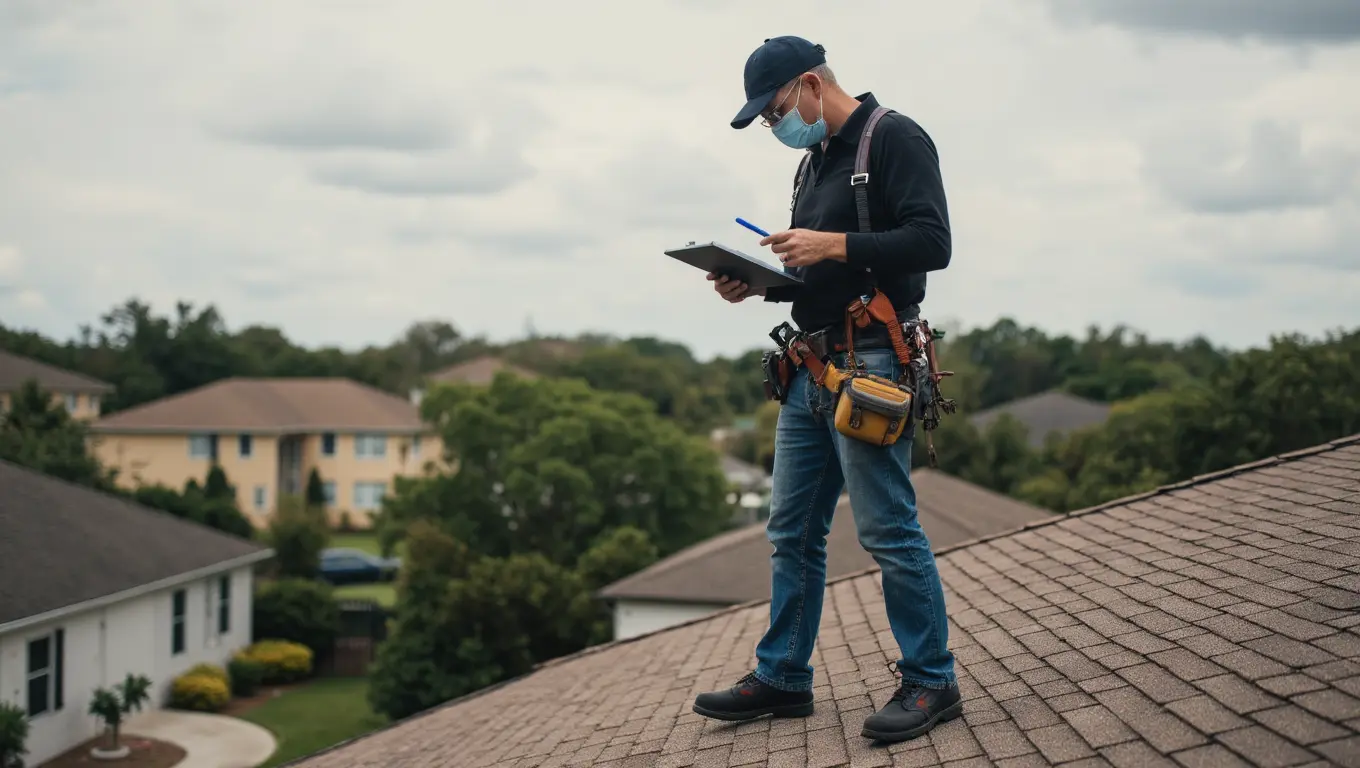
A roof inspection is most useful when you are trying to answer a decision question. Maybe there is a ceiling stain, a recent storm, an aging roof, or a property transaction approaching. The inspection should convert those concerns into documented observations about the roof itself.
That means looking beyond the most obvious shingle or tile. A roof is a layered system. The inspection can consider surface materials, flashing, valleys, ridge caps, penetrations, pipe boots, drainage, visible underlayment, accessible decking indicators, and signs of age or weather exposure. The final value is not a long list of roofing words; it is a clearer understanding of what is actually known and what should happen next.
Look for wind uplift, missing shingles, cracked or displaced tile, flashing damage, exposed underlayment, and other changes caused by the event.
Connect interior symptoms to exterior conditions and investigate likely leak paths rather than assuming the ceiling stain marks the roof breach.
Document wear, recurring defects, material condition, and maintenance needs so repair and replacement choices are made from current evidence.
Understand observable roof condition and identify items that may deserve repair or further evaluation before the transaction.
Assess membrane condition, seams, penetrations, drainage, and other property-specific issues that affect building operations.
Catch smaller concerns before they become larger water-management problems, especially around roof details and drainage.
| Roof area | Typical inspection focus |
|---|---|
| Shingles | Cracking, curling, granule loss, missing or displaced pieces, exposed fasteners or other visible wear. |
| Tile | Broken or displaced tile, ridge components, valleys, flashing interfaces and signs that the underlying water-shedding layers may be affected. |
| Metal | Panel condition, seams, fasteners, corrosion or movement indicators and details around penetrations. |
| Flashing | Roof-to-wall areas, valleys, vents, chimneys where present, skylights and other transition points. |
| Flat / low-slope | Membrane condition, seams, penetrations, drainage, ponding indicators and visible surface deterioration. |
| Roof edge | Ridge caps, drip edge, fascia and other visible perimeter components. |
What can be seen or otherwise reasonably documented at the time of the inspection: damaged shingles, cracked tile, failed flashing detail, visible drainage concern, or another condition.
Concealed underlayment, enclosed deck areas, or other inaccessible assemblies may not be fully visible. A professional assessment should make these limitations clear rather than pretending certainty where evidence is unavailable.
A written finding can then lead to a targeted roof repair, a dedicated storm-damage assessment, or a replacement evaluation depending on what the inspection shows.
Central Florida roofing has to manage more than one type of stress. Strong sun can accelerate aging of exposed materials; frequent rainfall tests flashing and drainage; and storm events can introduce wind-driven rain, debris impact, or uplift. The inspection context therefore matters. A roof that looked satisfactory during dry weather may deserve another look after severe weather.
Drainage is particularly important on low-slope systems, while roof penetrations and flashing deserve careful attention on every roof type. A useful inspection report should tie the observations back to the roof's actual design and current condition rather than using generic statements about Florida weather.
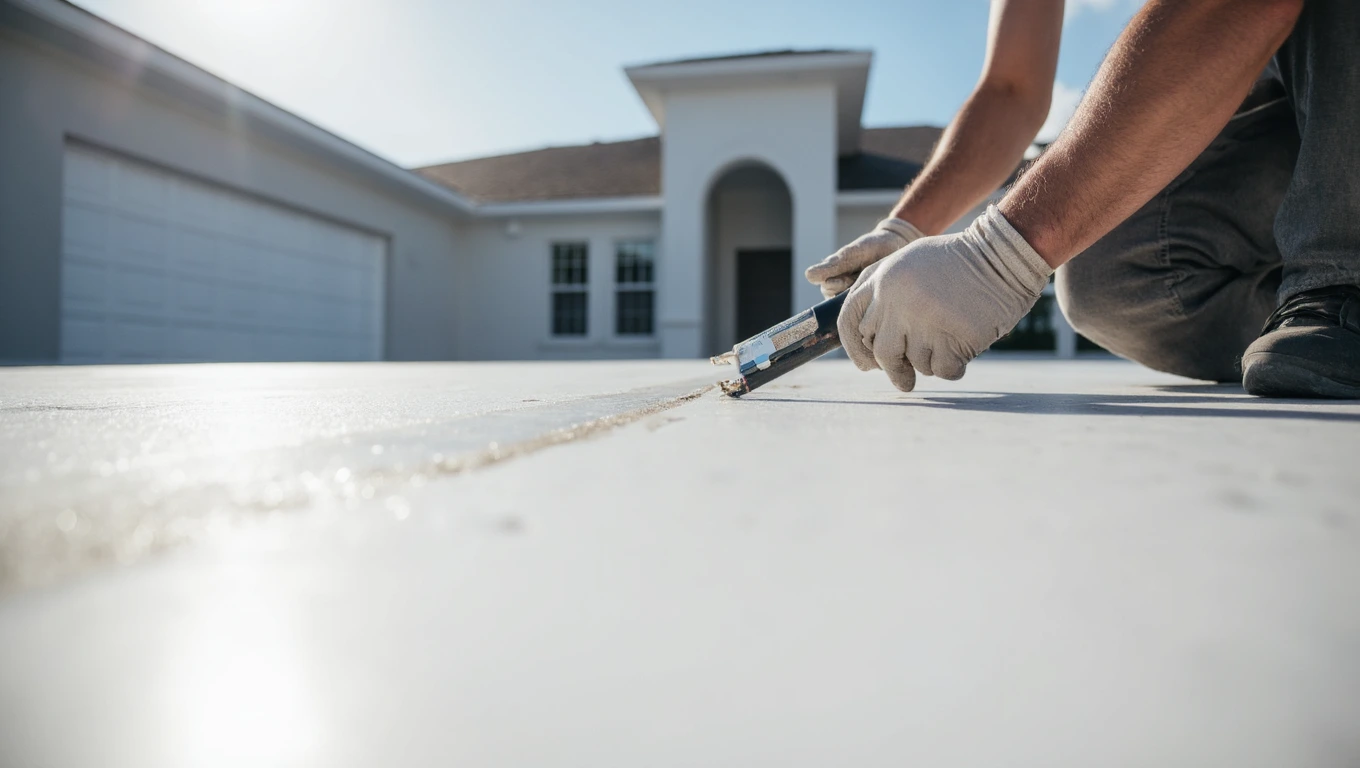
Appropriate when an item is minor, stable, or better handled as part of planned maintenance.
Appropriate when damage is localized and the surrounding roof system remains serviceable.
More relevant when damage or deterioration is widespread, repeated repairs are no longer sensible, or roof-system condition points toward a larger project.
Leak, storm, age, property transaction, maintenance, or another concern shapes the inspection emphasis.
Document the visible surface, details, transitions, drainage and material-specific conditions.
Note what is visible, what is not accessible, and where further evaluation may be useful.
That may be maintenance, a written repair scope, storm stabilization, or a replacement discussion.
Roof Repair Orlando FL serves Orlando and Central Florida from 6530 Swissco Dr #1117, Orlando, FL 32822. The business is licensed under CCC1327217, has operated since 2001, provides written estimates, and offers a 10-year written workmanship warranty on qualifying work.
Those facts do not replace the inspection itself. The roof condition should determine the recommendation.
Use the business's existing Google Maps / GBP link for location confirmation.
View Us on Google MapsThe report should identify visible condition issues by roof area or component, making it easier to understand whether a defect is isolated or appears across a larger section.
Not every finding has the same urgency. A clear assessment helps distinguish active water intrusion or exposed components from routine aging or maintenance observations.
The useful conclusion is actionable: monitor, maintain, repair, investigate further, or evaluate for replacement. The recommendation should connect to the observations.
For Orlando properties, the inspection can also provide context after strong weather or when a roof has developed a recurring symptom. It should account for the relationship between surface materials and the details that actually move water, including flashing, valleys, penetrations, edge components and drainage. On commercial roofs, the assessment may place greater emphasis on membranes, seams, rooftop penetrations and drainage performance.
The inspection should also state its limits. A report is more credible when it distinguishes accessible observations from areas that could not be inspected fully. That creates a better foundation for any later repair estimate or replacement planning.
Identify what is visible and where it occurs so the owner can understand whether the finding is isolated or widespread.
Separate active water intrusion and exposed components from maintenance observations that can be handled through planned work.
Connect the observations to a logical next step—monitor, maintain, repair, investigate further or evaluate replacement.
A useful Orlando roof inspection should also explain what was not possible to inspect. Roofs contain concealed layers, and not every component is visible during a normal assessment. Being explicit about those limits makes the report more useful, not less useful.
Inspection is especially valuable when the property owner is unsure whether a visible problem is isolated. Repeated repairs, roof age, storm history and changing leak patterns can all alter the decision. The inspection provides the evidence that keeps the next conversation grounded in the actual roof.
A roof inspection is an assessment of condition, not simply a sales presentation for a repair. A useful inspection explains what can be observed, where concerns are located, how significant they appear, and what questions remain. On a residential roof, that may include the condition of shingles or tile, flashing, valleys, penetrations, ridge details, visible decking, drainage, and signs of water intrusion. On a commercial roof, the review can also include membrane seams, roof edges, drains, penetrations, and low-slope system details.
Inspection findings are most useful when they distinguish current defects from routine aging and from issues that deserve monitoring. The roof's age is one factor, but condition and repair history matter too. A small, isolated defect on an otherwise sound roof can lead to a different recommendation than widespread deterioration across an older assembly.
There are also limitations. Not every roof area is safely accessible, and some underlayment or decking conditions cannot be directly observed without opening the assembly. A drone may be appropriate in some circumstances, but it should supplement professional judgment rather than become a substitute for understanding the roof system. The report or discussion should make clear what was observed and what could not be confirmed.
The inspection can assess visible roofing materials and water-management details such as shingles, tile, metal panels, flashing, valleys, ridge caps, penetrations and drainage.
Common reasons include suspected leaks, recent storms, roof-age concerns, property transactions, maintenance planning and uncertainty about repair versus replacement.
It can often identify likely failure points by connecting interior symptoms to exterior roof conditions, although concealed or inaccessible areas may need additional investigation.
Yes. These inspections can focus on membrane seams, penetrations, drains, flashing, ponding indicators and visible membrane deterioration.
Commercial inspections can be tailored to low-slope membranes, drainage, penetrations, roof access and other property-specific conditions.
No. Drone use depends on roof geometry, site conditions and access. It may be useful where conventional access is unsafe or impractical.
Yes. The assessment can separate localized problems from broader deterioration and help determine whether monitoring, repair, additional investigation or replacement evaluation makes sense.
The site's service model includes written estimates and assessment information. The exact report scope depends on the reason for inspection and what is observed.
No. Concealed assemblies and inaccessible areas cannot always be fully observed. A responsible inspection should explain its limitations.
It is an assessment after significant weather intended to document visible storm-related conditions and identify areas needing stabilization, repair or further evaluation.
Property owners rarely need an inspection report because they enjoy technical vocabulary. They need one because they are trying to decide what to do with a roof. That makes the quality of the explanation just as important as the number of items recorded. A useful report identifies the relevant roof areas, describes the visible condition, explains the significance of the finding, and makes a reasonable next-step recommendation.
For example, a cracked tile is a physical observation. The decision question is whether it is isolated, whether nearby material is stable, and whether the layer beneath appears affected. A lifted flashing edge is another observation; the practical question is whether the detail can be rebuilt or whether surrounding components show a larger water-management problem.
On a commercial roof, the same principle applies to seams, penetrations and drainage. A ponding observation becomes more useful when the report explains whether it is isolated, recurring, or associated with a visible drainage condition. Inspection is therefore a bridge between the roof's physical condition and the owner's next action.
Identify what is visible and where it occurs so the owner can understand whether the finding is isolated or widespread.
Separate active water intrusion and exposed components from maintenance observations that can be handled through planned work.
Connect the observations to a logical next step—monitor, maintain, repair, investigate further or evaluate replacement.
A useful Orlando roof inspection should also explain what was not possible to inspect. Roofs contain concealed layers, and not every component is visible during a normal assessment. Being explicit about those limits makes the report more useful, not less useful.
Inspection is especially valuable when the property owner is unsure whether a visible problem is isolated. Repeated repairs, roof age, storm history and changing leak patterns can all alter the decision. The inspection provides the evidence that keeps the next conversation grounded in the actual roof.
These links are intentionally limited to closely related topics so each service keeps a distinct search intent.
This service is relevant to properties in communities such as Lake Nona roof repair, Downtown Orlando roof repair, Sanford roof repair, Winter Park roof repair and Apopka roof repair.
Roof Repair Orlando FL has served Orlando and Central Florida since 2001. Call (689) 282-5370 or request a written estimate. Our verified business address is 6530 Swissco Dr #1117, Orlando, FL 32822.