Metal Roof Repair Orlando FL
Metal roofing can be durable for decades, but its common repair issues differ from asphalt shingles and tile. Fasteners can loosen, washers and sealants can deteriorate, panels can dent, seams can move and flashing can fail at penetrations. Metal roof repair Orlando FL should begin with identifying the installed system and the failure mechanism. Standing seam, exposed-fastener and other panel assemblies cannot be treated as interchangeable because their attachment and movement principles differ
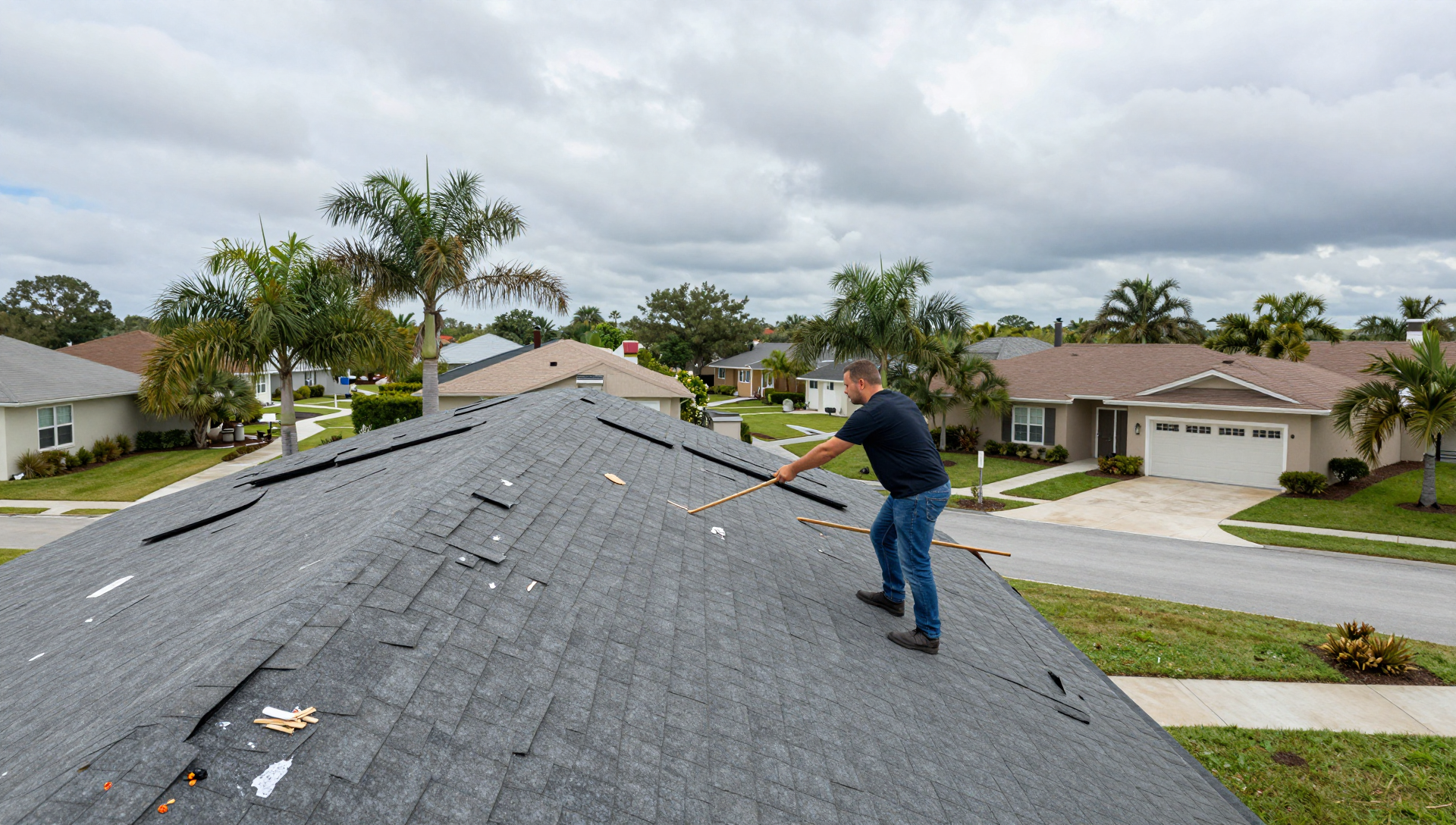
Metal Roofing Has Its Own Repair Logic
Metal roofing can be durable for decades, but its common repair issues differ from asphalt shingles and tile. Fasteners can loosen, washers and sealants can deteriorate, panels can dent, seams can move and flashing can fail at penetrations.
Metal roof repair Orlando FL should begin with identifying the installed system and the failure mechanism. Standing seam, exposed-fastener and other panel assemblies cannot be treated as interchangeable because their attachment and movement principles differ.
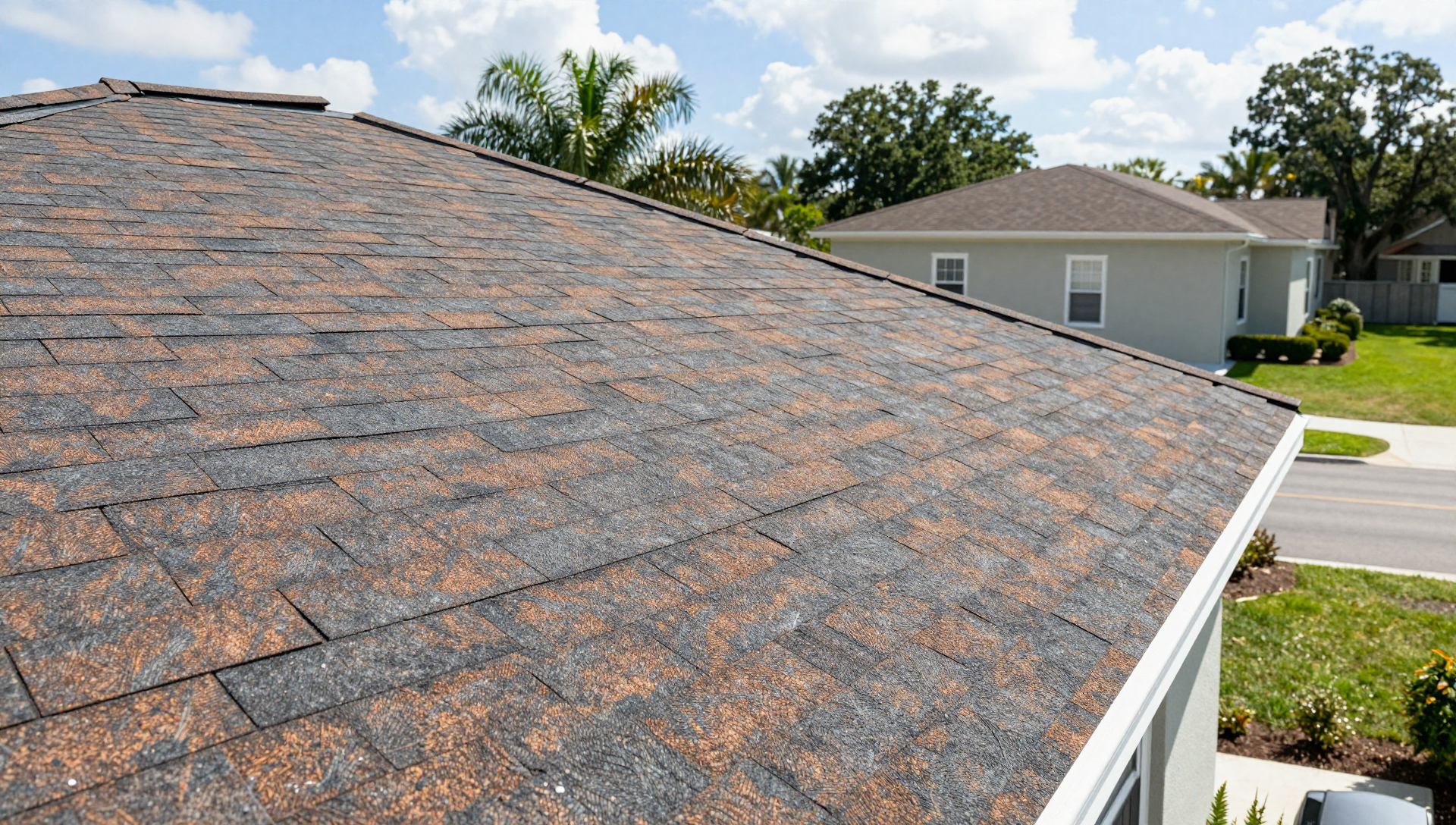
Loose Fasteners and Washer Failure
Exposed-fastener systems rely on properly seated hardware and washers. Over time, thermal movement, vibration and age can loosen fasteners or degrade the seal around them. A leaking screw is therefore not just a matter of adding sealant over the head. A recurring fastener-area leak is best evaluated as part of a broader roof leak repair diagnosis rather than sealed blindly.
A targeted repair can involve replacing failed hardware, correcting the surrounding seal or addressing an enlarged or damaged fastener point. The condition of the panel and substrate matters too.
Roof-system checkpoints
- Roof surface
- Flashing and transitions
- Penetrations
- Water-shedding path
Standing-Seam Panel Movement
Standing-seam systems are designed around concealed attachment and controlled thermal movement. Panels expand and contract with temperature, so repairs should preserve the system's ability to move rather than rigidly locking components together.
Leak diagnosis can focus on seams, end conditions, clips where observable, flashing, closures and penetrations. The installed system determines the correct repair approach. When the attachment system or surrounding details need to be verified, a professional roof inspection helps establish the actual repair boundary.
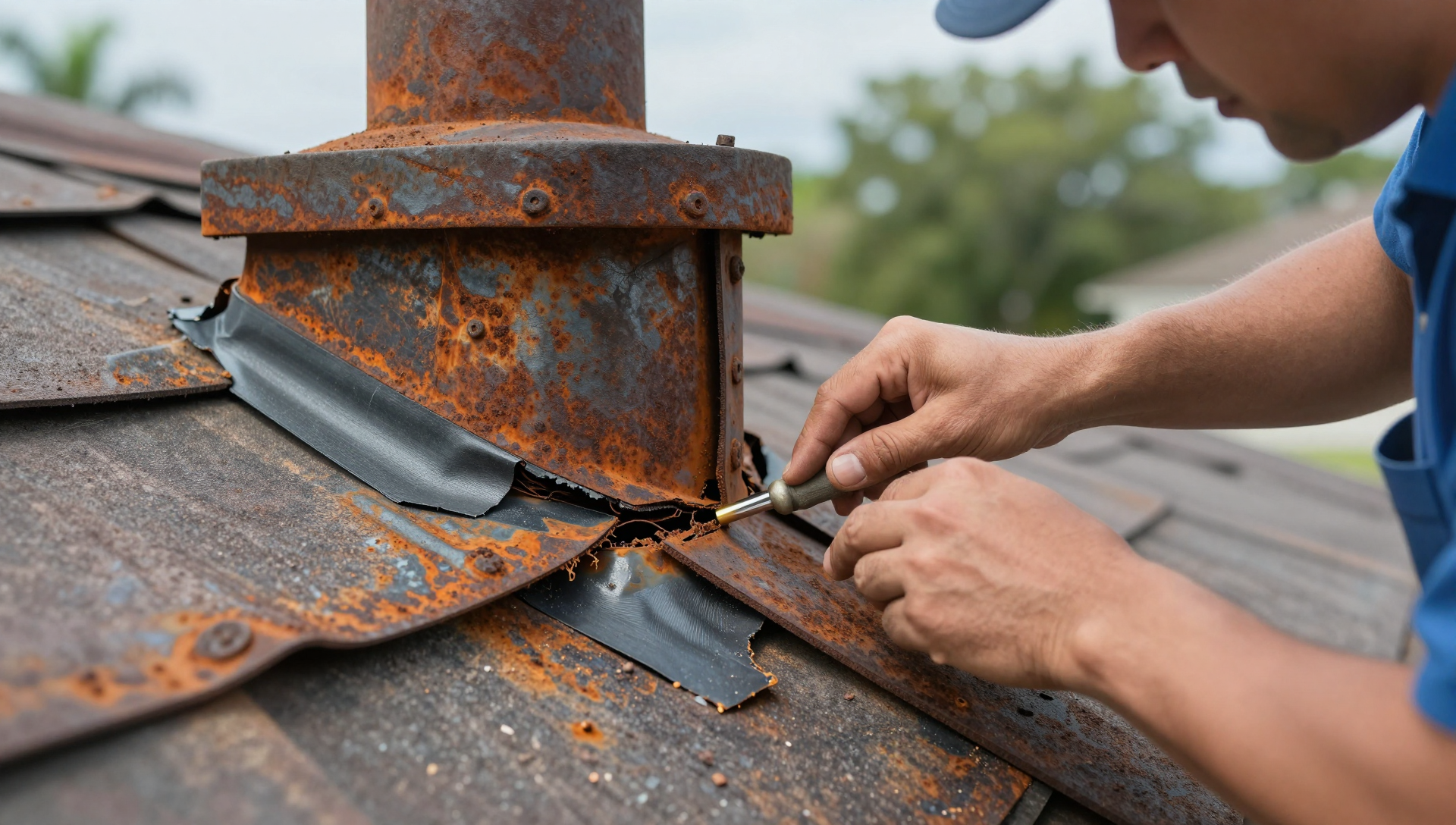
Panel Dents, Punctures and Impact Damage
Storm debris and impact can dent or puncture panels. A dent may be mostly cosmetic, while deformation at a seam or penetration can affect water shedding. A puncture is a more direct waterproofing concern. After wind or impact, storm and hurricane roof damage repair can address panel, edge and flashing conditions together.
Repairability depends on panel profile, location, extent and availability of compatible replacement material. The right question is whether the panel still performs as part of the roof assembly.
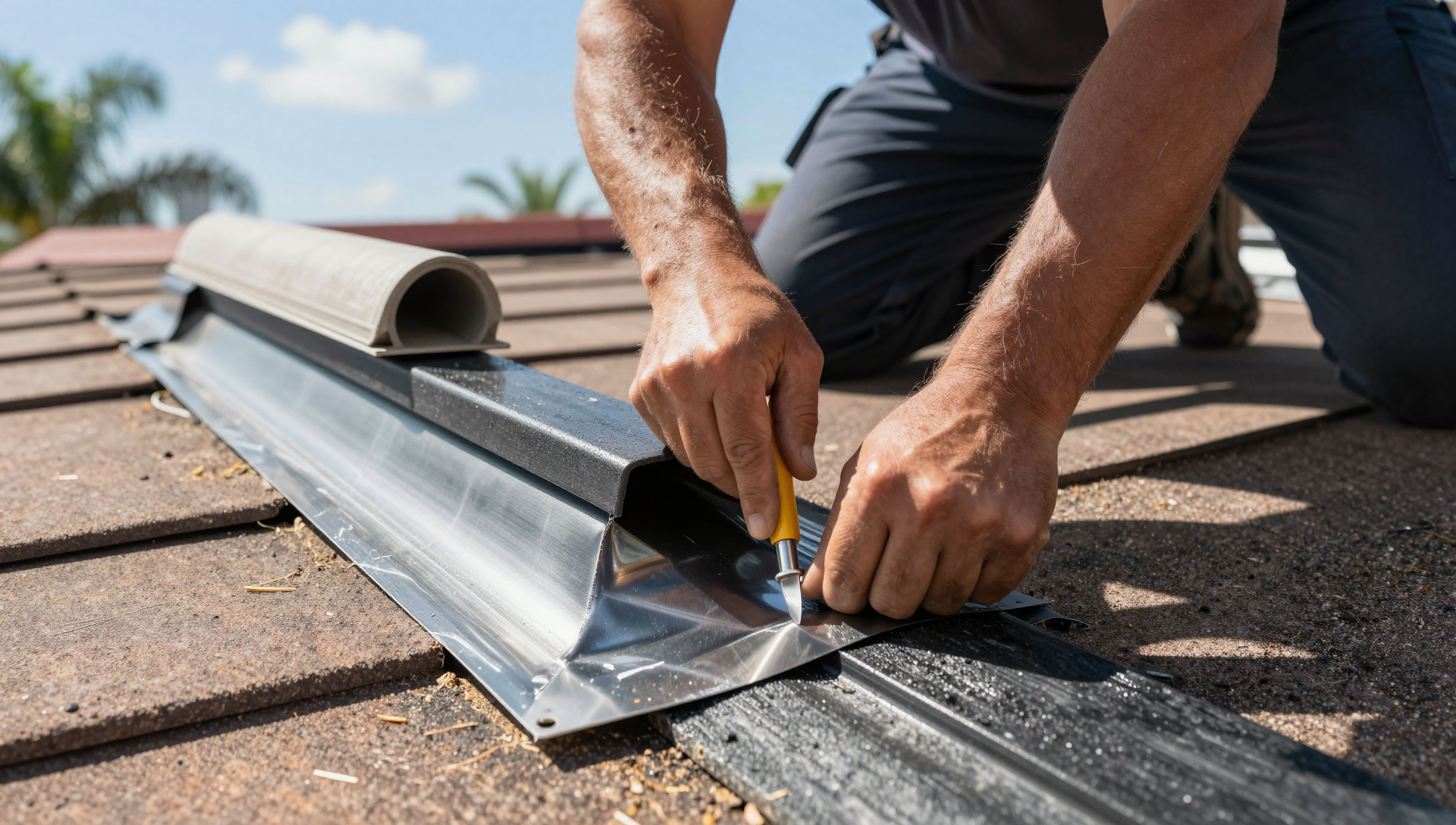
Panel Seams and Flashing
Panel seams and flashings are common water-entry areas because they manage transitions. Sealant can age, flashing can move and adjacent metals can experience different movement or corrosion behavior.
A metal roof leak repair should trace the water path and inspect the surrounding joint. Resealing one visible gap without considering movement or adjacent flashing can produce a short-lived repair. If active water is entering the building, emergency roof repair may be appropriate before permanent work is scheduled.
Roof-system checkpoints
- Roof surface
- Flashing and transitions
- Penetrations
- Water-shedding path
Roof Penetrations and Sealants
Pipes, vents, curbs and other penetrations interrupt the metal roof plane. Sealants used around those details can crack, pull away or weather over time. Penetration repairs should account for the underlying flashing design rather than applying a generic bead over the existing material.
When water appears around a penetration, the inspection should check both the sealant and the metal interface that directs water away from the opening.
Rust and Corrosion
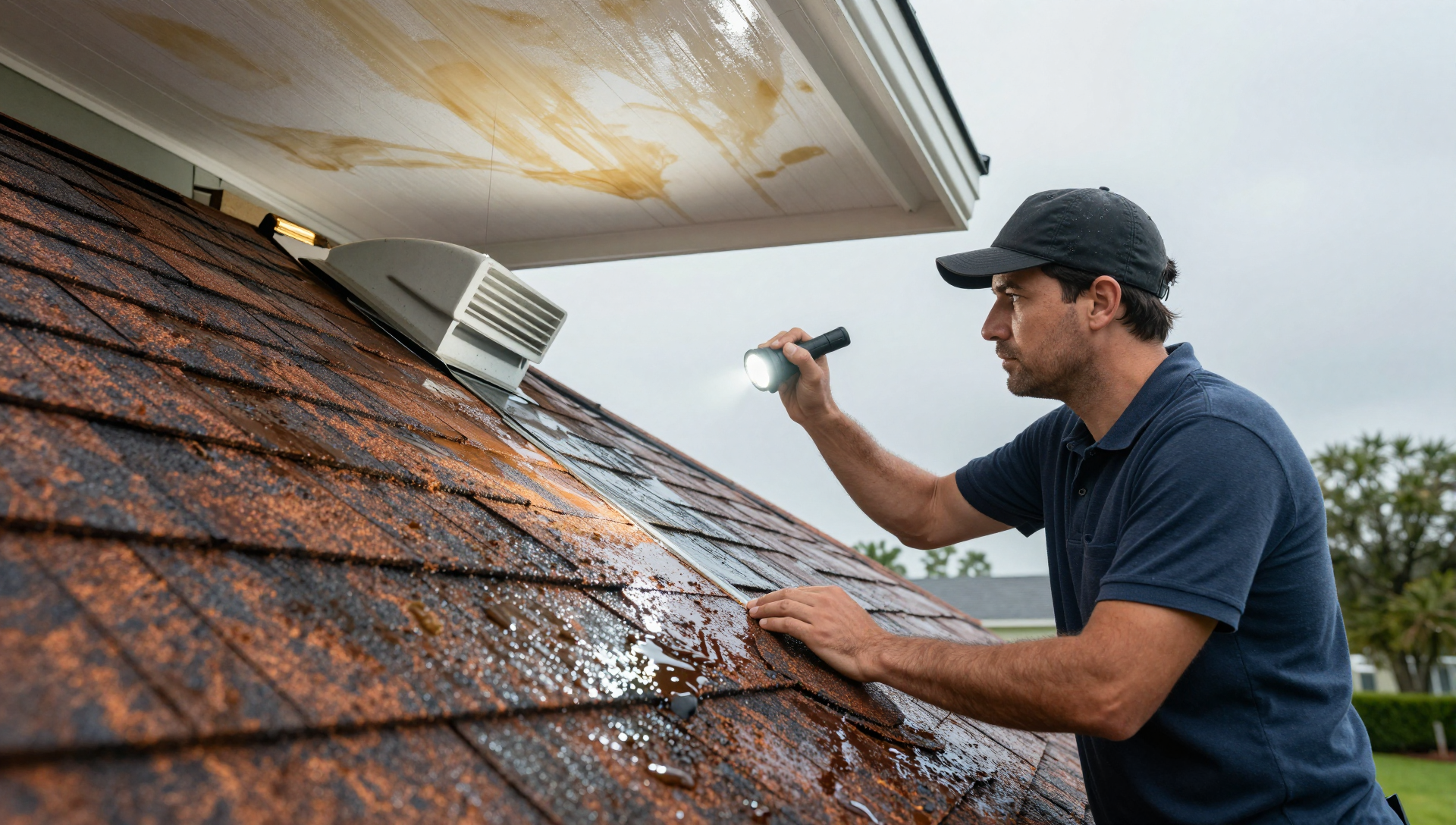
Corrosion ranges from superficial oxidation to deeper material loss. Causes can include coating damage, prolonged moisture exposure, incompatible metals or failed protective finishes.
The repair plan should determine how far corrosion has progressed. Localized surface issues may be manageable, while broad panel deterioration can make replacement more practical.
Thermal Movement Is Part of the System
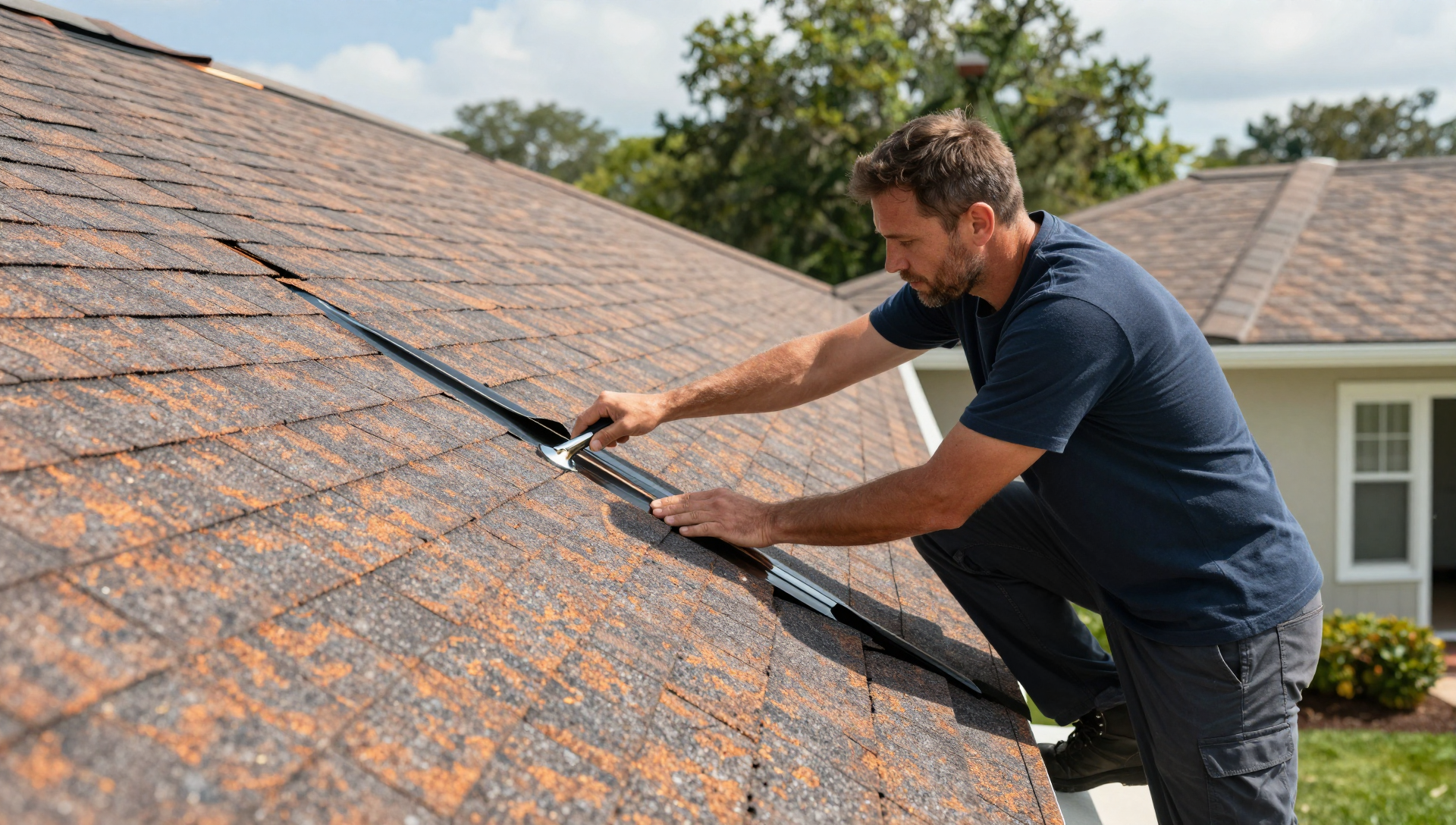
Metal expands and contracts as temperatures change. This movement affects fasteners, seams, flashings and sealant joints. A good repair respects that movement instead of treating every joint as a static crack. Widespread corrosion or repeated failures can make roof replacement more practical than continued spot repairs.
When a sealant repeatedly fails at the same location, the recurrence may indicate movement or geometry rather than a simple material problem.
Roof-system checkpoints
- Roof surface
- Flashing and transitions
- Penetrations
- Water-shedding path
Wind and Storm Damage
After severe weather, inspect for displaced panels, damaged edge metal, loose fasteners, bent or punctured sections, seam disturbance and flashing movement. Water intrusion may not be immediate if an opening is small.
Post-storm documentation can help establish what is visible and whether temporary protection is needed before permanent repair.
Residential, Commercial and Manufactured-Home Systems
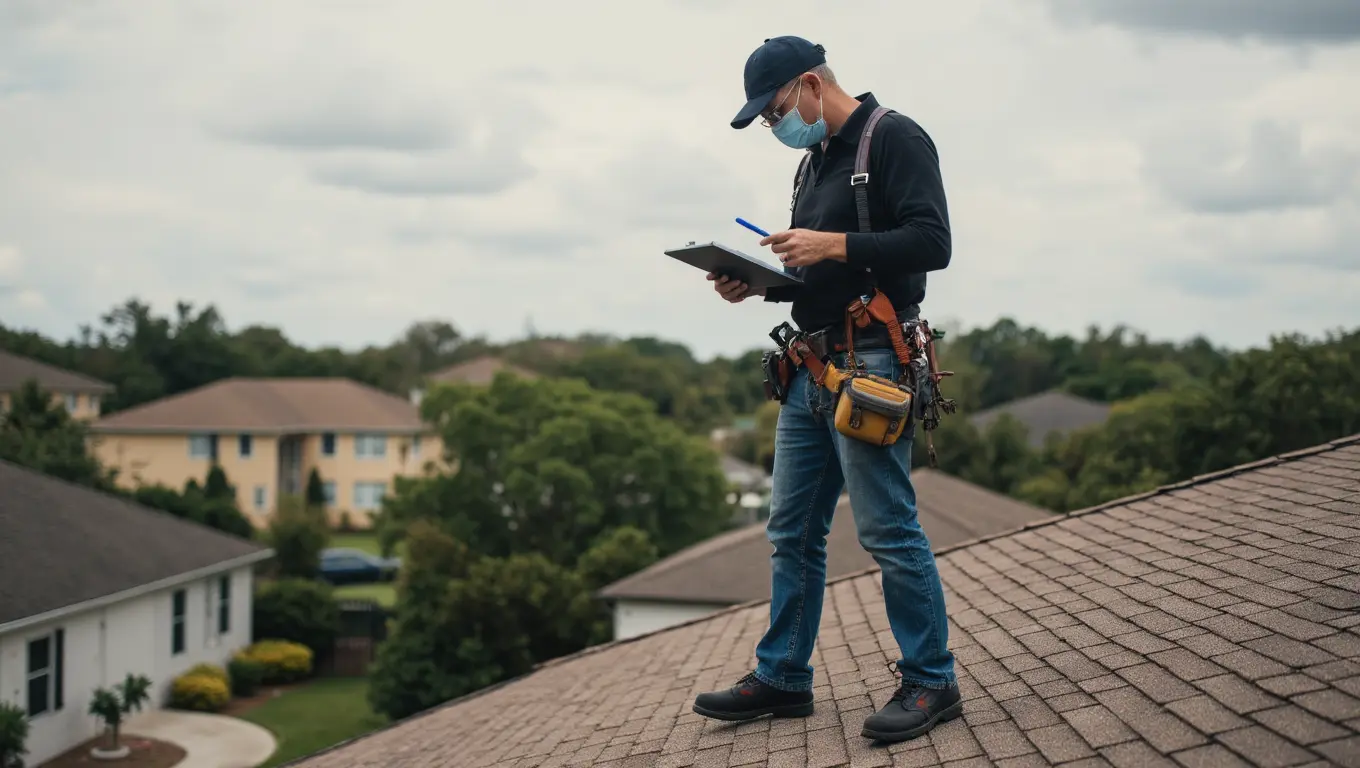
Metal roofing is used on homes, commercial structures and some manufactured or mobile-home properties. Panel profiles, attachments, underlayment and details can vary considerably. The page term Orlando area mobile home metal roof repair should only be used for a property/service situation that the company actually supports. Commercial buildings with larger metal roof areas can benefit from a commercial roof repair scope that accounts for service access and penetrations.
For broader site content, terms such as metal roofing repair for manufactured homes can be used only when factually appropriate. The core repair principles remain system-specific.
Repair or Metal Roof Replacement?
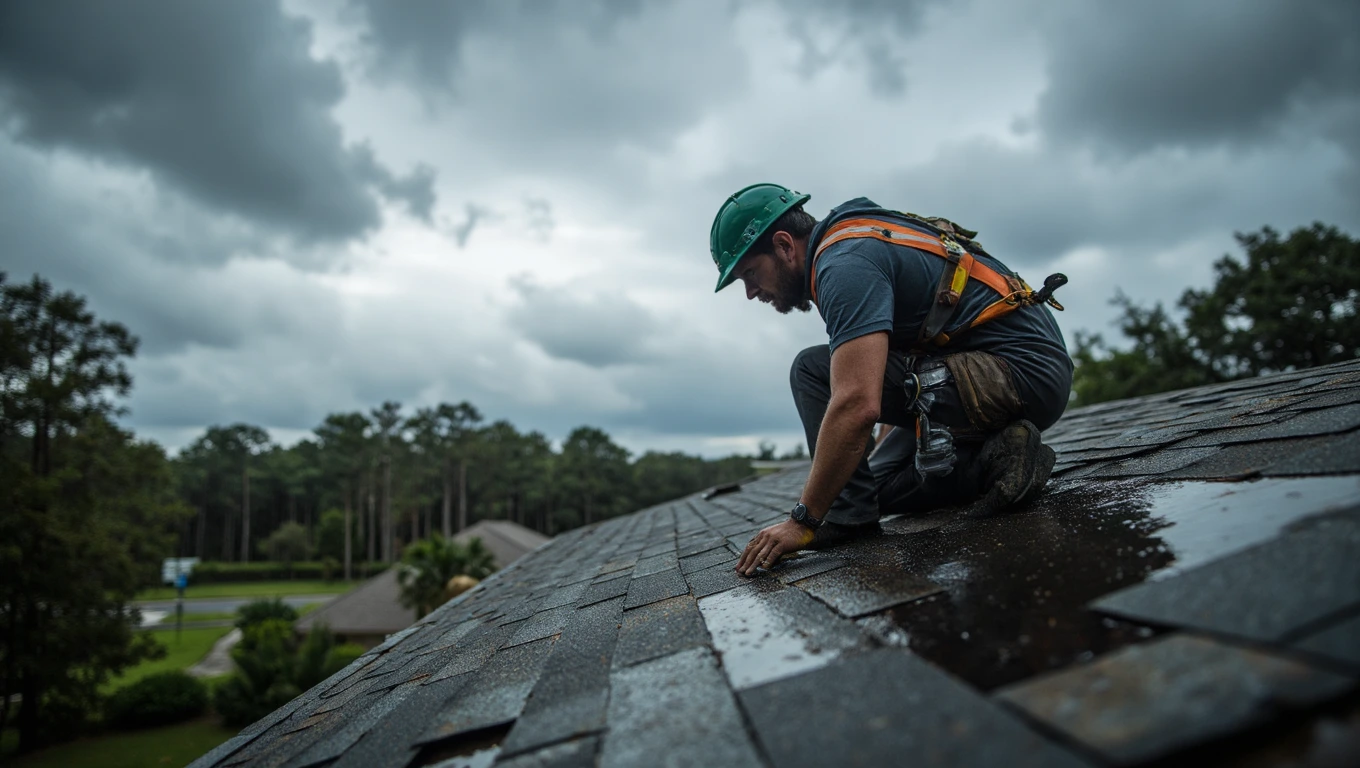
Targeted repair is often suitable for isolated fastener, flashing, seam or panel problems when the surrounding system is sound. Replacement becomes more relevant with widespread corrosion, extensive panel damage, poor compatibility for repairs or a history of recurring failures.
The decision should consider panel condition, fastening system, coatings, flashing, penetrations, storm history and previous repairs. A written estimate should explain why the recommended scope fits the actual metal roof. For homes with metal roofing, residential roof repair guidance keeps the assessment focused on the installed system.
Roof-system checkpoints
- Roof surface
- Flashing and transitions
- Penetrations
- Water-shedding path
Maintaining Metal Roofing in Orlando
Keep debris from trapping moisture, address small corrosion areas before they expand, monitor flashing and visible hardware, and inspect after significant storms. Coordinate rooftop work carefully so service traffic does not damage seams or panels.
Early attention to fasteners, flashing and sealants can help keep a metal roof repair localized rather than allowing repeated water intrusion.
Field Notes That Can Improve the Diagnosis
Metal roofing repairs become easier to evaluate when the type of failure is described precisely. A fastener leak, a seam problem, a flashing gap, a corroded panel and a storm-bent panel may all produce water intrusion, but they are not the same repair. The panel profile and attachment method also influence whether a component can be replaced without disturbing a larger area. This is why a metal roof assessment should identify the system before a repair material is selected. Property owners can help by noting whether the leak began after a storm, whether it occurs near a wall or roof penetration, and whether visible rust or trim movement has changed over time. Ground-level observation is useful; roof access should be left to trained personnel, especially when metal is wet or steep. A written scope should make the boundary of the repair easy to understand.
Repair or Replacement: How the Roof-System Decision Changes
| Condition | Typical finding | Likely direction |
|---|---|---|
| Hardware/seal issue | Loose fastener, washer or seal failure | Targeted metal roof repair |
| Panel/flashing damage | Localized dent, puncture or transition issue | Panel/detail repair |
| Widespread corrosion | Multiple failing areas or poor repairability | Replacement assessment |
A Metal Roof Repair Evaluation
Identify panel construction
Distinguish standing seam from exposed-fastener or other metal-panel systems.
Inspect attachment and joints
Review fasteners, washers, seams, flashing, penetrations, sealants and corrosion.
Assess the damaged area
Determine whether the issue is cosmetic, functional or part of a wider panel failure.
Repair with movement in mind
Use a method compatible with the existing panel profile and its thermal movement.
Orlando and Central Florida Roof-System Considerations
Florida heat and wind cycles place repeated movement demands on metal panels, fasteners, seams and flashing. Post-storm assessment can reveal displaced components or small openings before interior damage appears.
Roof Repair Orlando FL operates from 6530 Swissco Dr #1117, Orlando, FL 32822 and uses the same business identity for service-area work. Written estimates and a 10-year written workmanship warranty are approved business claims. We also serve homeowners in Lake Nona, MetroWest.
Verified business information
- Roof Repair Orlando FL
- CCC1327217
- (689) 282-5370
- Serving since 2001
View Roof Repair Orlando FL on Google Maps
This verified map identifies the business location used for the service pages. These pages do not represent separate branches.
Practical Guidance Before the Repair Begins
A metal-roof assessment should distinguish between a hardware problem and a panel or transition problem. A loose fastener with a deteriorated washer can often be treated differently from a deformed panel or a failed flashing assembly. Standing-seam roofs also have movement characteristics that must be preserved during repair. The repair method should therefore be based on the installed panel system, not on a generic roofing patch. Matching is more than color. Panel width, profile, coating, attachment method and weathered finish can all affect compatibility. On older metal roofs, a replacement panel may not be visually identical even when it is technically compatible. A clear written scope should explain what is being restored and whether the work is intended primarily to recover water-shedding performance, correct corrosion, replace damaged material, or address several related failures.
Why Repair Scope Matters on This Roof System
Metal roof repair should consider how the whole panel system handles water, movement and attachment. A new fastener or sealant can be appropriate in one location, while another location may require a panel or flashing adjustment. On older exposed-fastener roofs, repeated small repairs can also create a history that helps explain why a broader assessment is needed. For standing-seam systems, a repair that ignores panel movement can transfer stress to another part of the assembly. For coated panels, surface preparation and corrosion control can matter as much as the final coating. The correct scope is therefore a system decision, not simply a choice of a stronger sealant.
Roof-System Questions Homeowners Ask
Why do metal roof fasteners leak?
Fasteners can loosen, washers can deteriorate, holes can enlarge and sealants can fail as the roof moves and ages. The repair should address the hardware and surrounding condition, not just cover the symptom.
Can a damaged metal panel be repaired instead of replaced?
Sometimes. The answer depends on whether the damage is a dent, puncture, seam deformation or more extensive failure, as well as the panel profile and availability of compatible replacement material.
What causes metal roof seams to fail?
Movement, weather exposure, sealant aging, installation conditions and physical damage can contribute. Standing-seam and exposed-fastener systems require different repair approaches.
How should rust on a metal roof be evaluated?
The assessment should determine whether oxidation is superficial or has reduced the metal's integrity. Localized corrosion may support repair, while widespread deterioration may point toward replacement.
Do standing-seam metal roofs need different repairs?
Yes. Standing-seam systems use concealed attachment and controlled movement, so repair work should preserve those characteristics rather than treating the roof like an exposed-fastener panel system.
Can storms damage a metal roof without creating an obvious hole?
Yes. Wind can disturb panels, fasteners, edge metal or flashing without producing immediate interior water stains. A post-storm inspection can identify these conditions.
Can metal roof flashing be repaired?
Often, when damage is localized and the surrounding assembly remains sound. The repair should account for the joint, movement and adjacent sealants or fasteners.
When is metal roof replacement more practical than repair?
Replacement becomes more relevant when corrosion or panel damage is widespread, repeated repairs are accumulating, or the existing system no longer provides a suitable repair base.
Compare Roof Repair by System
These related resources help when the next decision depends on the roof system, leak type, or broader property context.
Need the Right Repair for Your Metal Roof?
Describe the problem you are seeing and request the roof-system-specific service that fits your property. You can also call the Orlando team directly.