City-specific roofing playbook
How Roof Work Changes Across Orlando
The most useful city-level roofing guidance connects the local geography to the building, then connects the building to the inspection. The points below are tailored to Orlando rather than treated as a generic Orlando checklist.
Start with the property and corridor
Orlando includes distinct local areas such as Downtown Orlando & Lake Eola, Baldwin Park, College Park, Lake Nona. Major corridors including I-4, SR 408 (East-West Expressway), SR 417 (Central Florida GreeneWay), US 17-92 help orient the service area, but the roof itself remains the final source of truth for scope. A property near a major corridor may have different access, occupancy, drainage or roof-system considerations than a detached home on a quieter residential street.
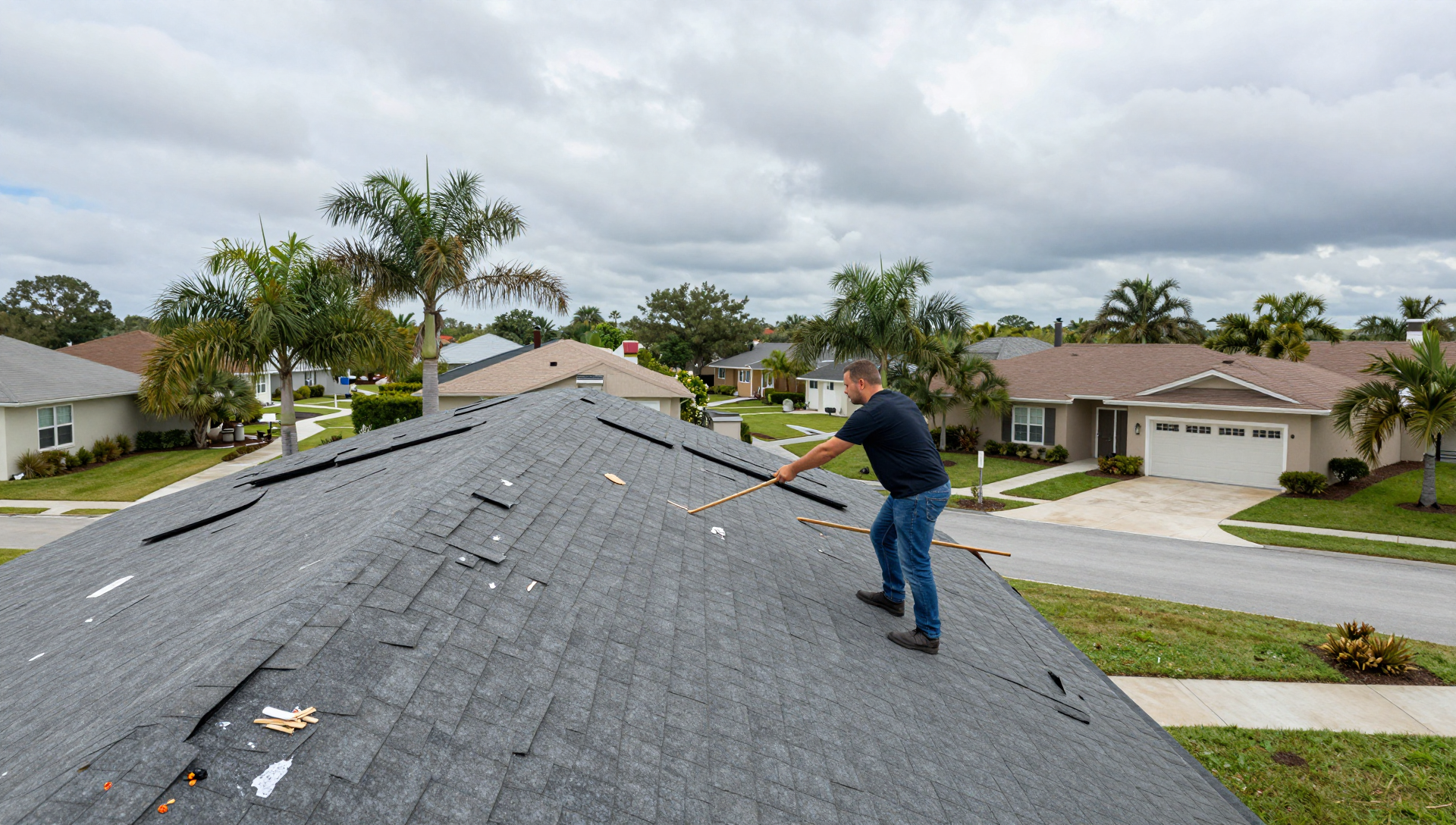
When an owner calls about a leak, the useful first questions are where water appeared, whether it is active, whether the roof was recently exposed to severe weather, and what type of building is involved. Those answers help determine whether the first step should be an emergency response, leak investigation, inspection, storm assessment or broader replacement review.
Match the service to the roof system
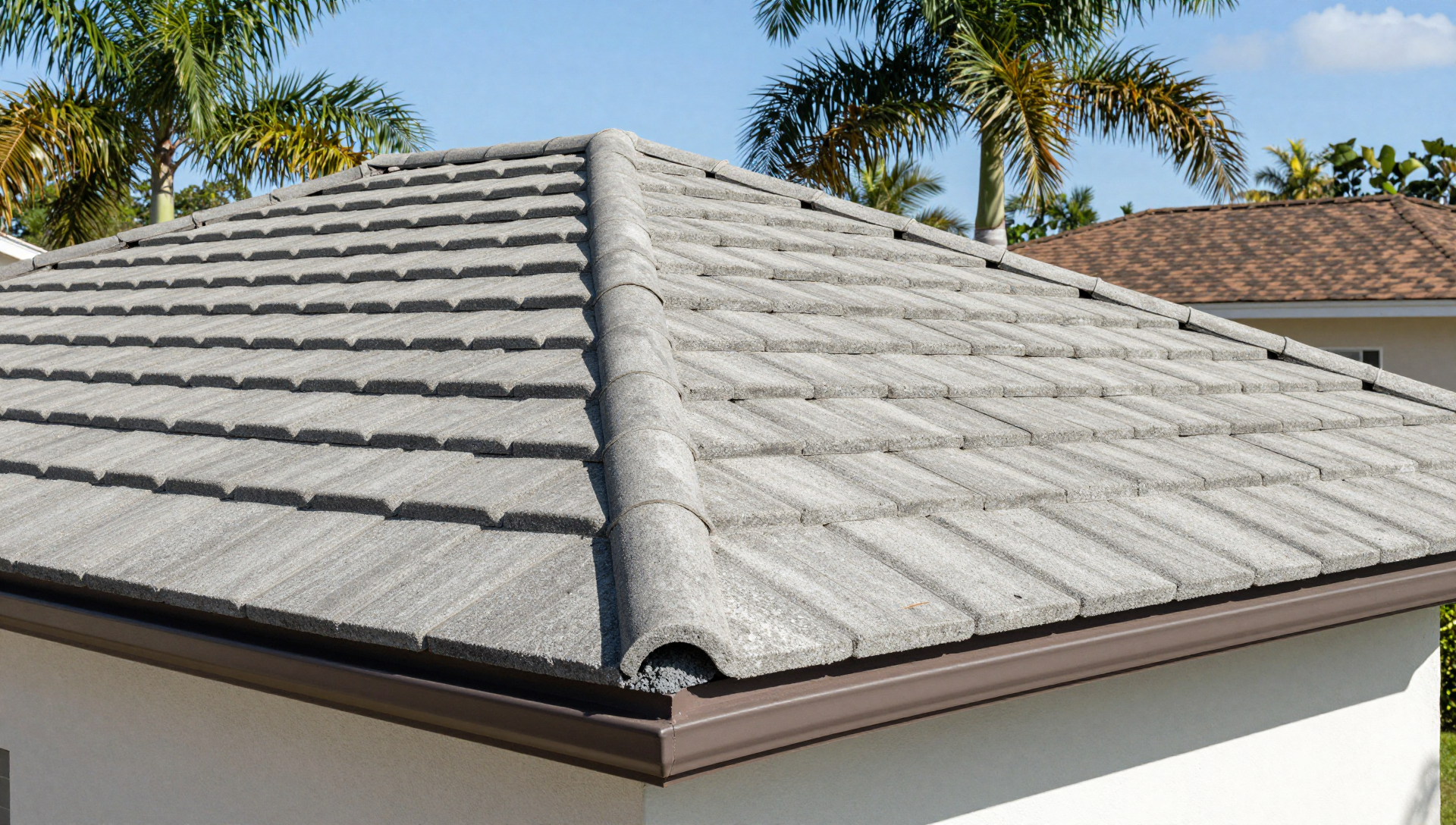
In Orlando, the practical service path can range from residential shingle or tile repairs to commercial and low-slope roof inspection. The strongest Orlando roofing content is not a generic weather paragraph. It is the link between Central Florida exposure and a specific roof component. Heavy rain can reveal weak flashings or blocked drainage. Strong wind can move or damage individual shingles, tiles, ridge caps or metal components. Heat and UV exposure affect sealants and roofing surfaces over time. Dense tree canopy in some established neighborhoods can add leaves and small debris to valleys and gutters. On low-slope commercial roofs, drainage and rooftop penetrations can be more important than the roof covering itself. The inspection should follow the building, not a generic city checklist.
That is why a city page should not promise the same service mix to every address. A single-family property may need flashing or roof-covering repair, while an occupied commercial building may need documentation around drains, penetrations, access and scheduling. The correct scope follows the installed system and the building's use.
Use local resources before construction begins
Orlando has official resources that property owners can use to verify local permitting, planning or preservation information. Those requirements can depend on the municipality, project scope and current code. The page links the relevant source so owners can confirm the current rule instead of relying on a generic roofing article.
Where a historic, planned, commercial or mixed-use context applies, documentation and coordination can be as important as the repair itself. A clear written scope should identify the visible findings, the components involved and the work proposed.
Document the condition before choosing repair or replacement
For Orlando properties, a useful inspection record should note visible roof damage, suspected water-entry points, relevant flashing or penetration details, drainage observations and any evidence of prior repairs. If the property experienced a recent storm, photographs taken safely from the ground can preserve an initial record before conditions change.
Orlando's regional climate brings intense sun, humidity, heavy rainfall and frequent thunderstorms, with tropical systems adding another layer of wind and rain exposure. The useful roofing question is what those conditions can do to the installed system: water can migrate through failed flashing or penetrations, wind can lift or displace materials, and repeated wetting can expose drainage or sealant problems. The city-wide climate does not mean every neighborhood or every roof behaves the same way, so property-specific inspection remains the deciding step.
Orlando property-owner checklist
Before callingNote the address, building type, visible symptom, recent weather exposure and whether water is still entering.
During inspectionAsk what component appears to be failing, whether the issue is localized, and what evidence supports the recommended scope.
Before approving workConfirm the repair or replacement scope, access requirements, documentation, permit questions and what will happen if additional damage is found.