Metal Roof Repair
Useful for metal systems where fasteners, seams, flashings or penetrations may be involved.
Local roof repair · Orlando, Florida
From a homeowner's perspective, Bel Air is not a roofing system; it is a place where different homes can have different materials, ages and repair histories. Local context is useful for orientation, but the inspection determines the scope. In Bel Air, the relevant local reference is Ventura; the roof condition still decides the repair.
Southeast orlando residential geography around curry ford road and nearby lakes. Storm exposure; drainage; localized versus widespread deterioration.
Local context
The service approach is to evaluate the actual roof rather than infer damage from the neighborhood. Wind, rain, roof age and drainage can all matter depending on the property. The practical angle for this page is storm exposure; drainage; localized versus widespread deterioration. That gives the homeowner a useful lens without suggesting that every property in Bel Air shares the same roof construction.
Storm cleanup can leave branches or debris on a roof without obvious shingle loss. A post-event inspection can determine whether the impact affected the surface, edge, flashing or another component. For this Bel Air service area, Conway Road is a geographic reference only—the inspection controls the recommendation.
When an exterior roof problem is suspected, the most useful evidence usually comes from the affected roof area and the components around it. In Bel Air, a repair visit can look at Curry Ford Road, South Semoran Boulevard and the surrounding property only as service-access context; it should not infer a roofing defect from the neighborhood label. At a Bel Air property, this should be applied to the actual roof assembly and not to a neighborhood-wide assumption.
Different roofing components fail differently. Tile systems deserve inspection around neighboring tiles, underlayment and supporting details so a cracked unit is not treated in isolation when surrounding materials have shifted. For the customer, the important part is that the repair method match the existing system and the actual failure. In Bel Air, the relevant local reference is Conway; the roof condition still decides the repair.
Storm cleanup can leave branches or debris on a roof without obvious shingle loss. A post-event inspection can determine whether the impact affected the surface, edge, flashing or another component. For this Bel Air service area, South Semoran Boulevard is a geographic reference only—the inspection controls the recommendation.
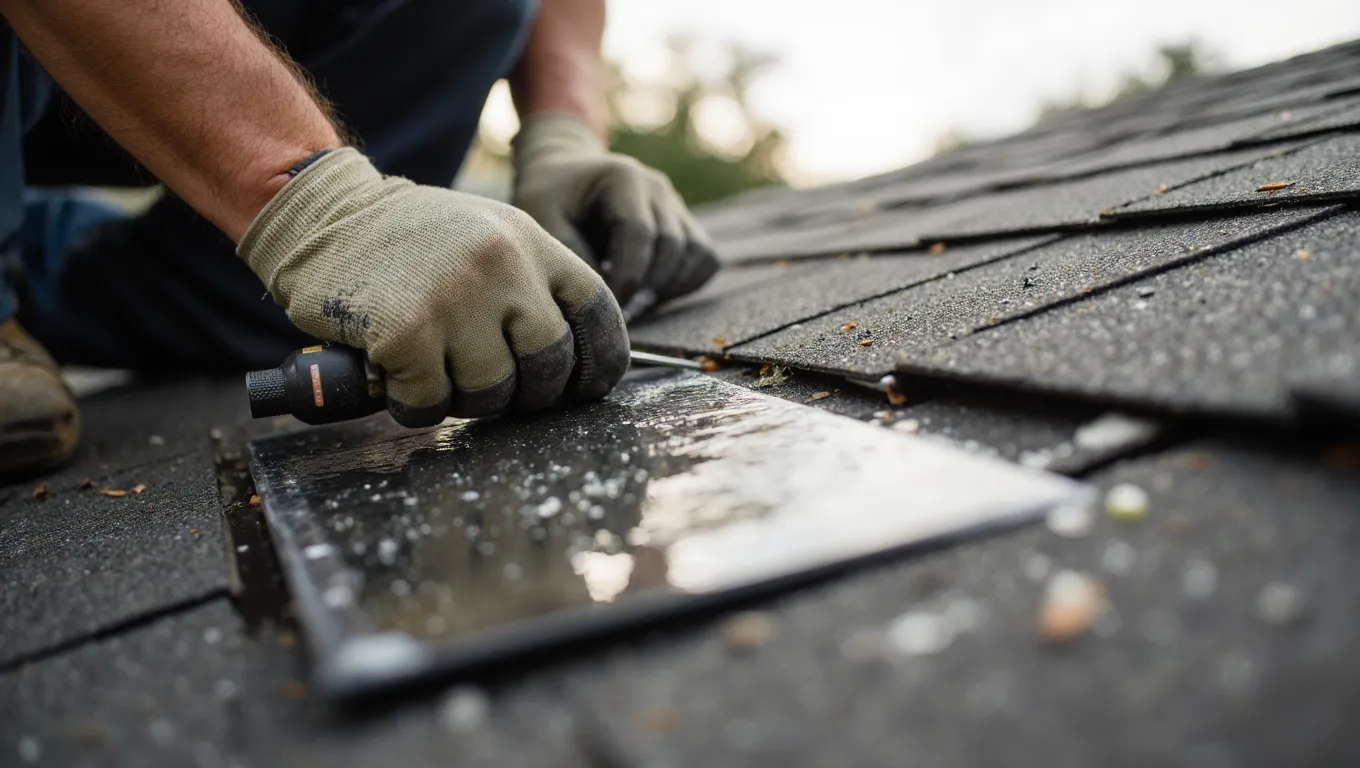
Storm exposure; drainage; localized versus widespread deterioration. Roof repair can involve replacing damaged surface material, correcting flashing, restoring a roof edge, addressing a pipe boot or improving a water-shedding detail that has failed.
After impact or debris damage, the inspection should document what is actually affected so the permanent repair does not leave a hidden weak point behind. In Bel Air, the relevant local reference is Curry Ford Road; the roof condition still decides the repair.
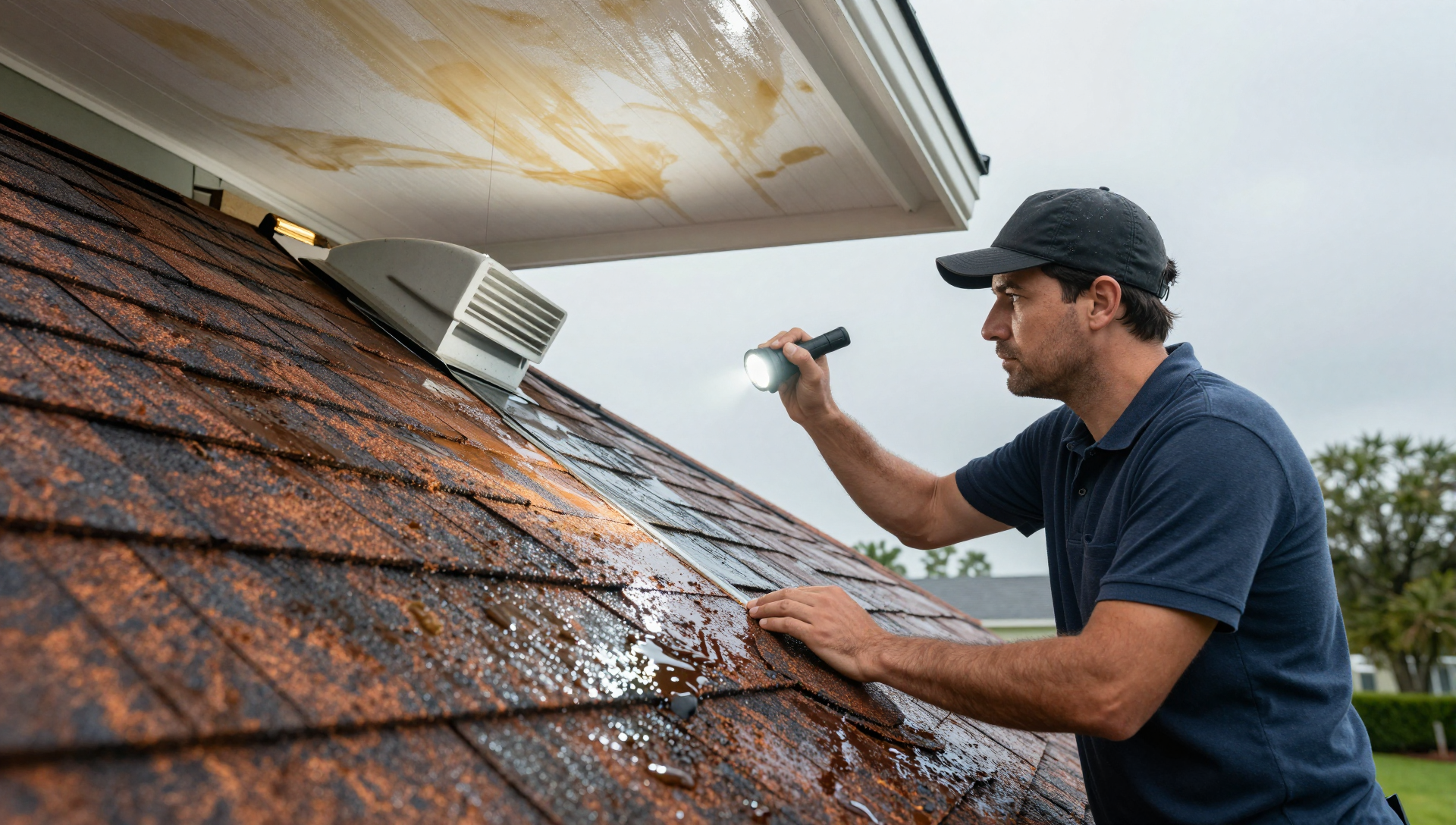
Storm and rain observations are also useful when documented safely. In Bel Air, note whether a problem follows heavy rainfall, strong wind, or both. That information can help narrow the inspection toward flashing, roof edges, penetrations, valleys or other exposed details. For this Bel Air service area, Curry Ford Road is a geographic reference only—the inspection controls the recommendation.
Different roofing components fail differently. Tile systems deserve inspection around neighboring tiles, underlayment and supporting details so a cracked unit is not treated in isolation when surrounding materials have shifted. For the customer, the important part is that the repair method match the existing system and the actual failure. At a Bel Air property, this should be applied to the actual roof assembly and not to a neighborhood-wide assumption.
When an exterior roof problem is suspected, the most useful evidence usually comes from the affected roof area and the components around it. In Bel Air, a repair visit can look at Curry Ford Road, South Semoran Boulevard and the surrounding property only as service-access context; it should not infer a roofing defect from the neighborhood label. In Bel Air, the relevant local reference is Lake Fredrica; the roof condition still decides the repair.
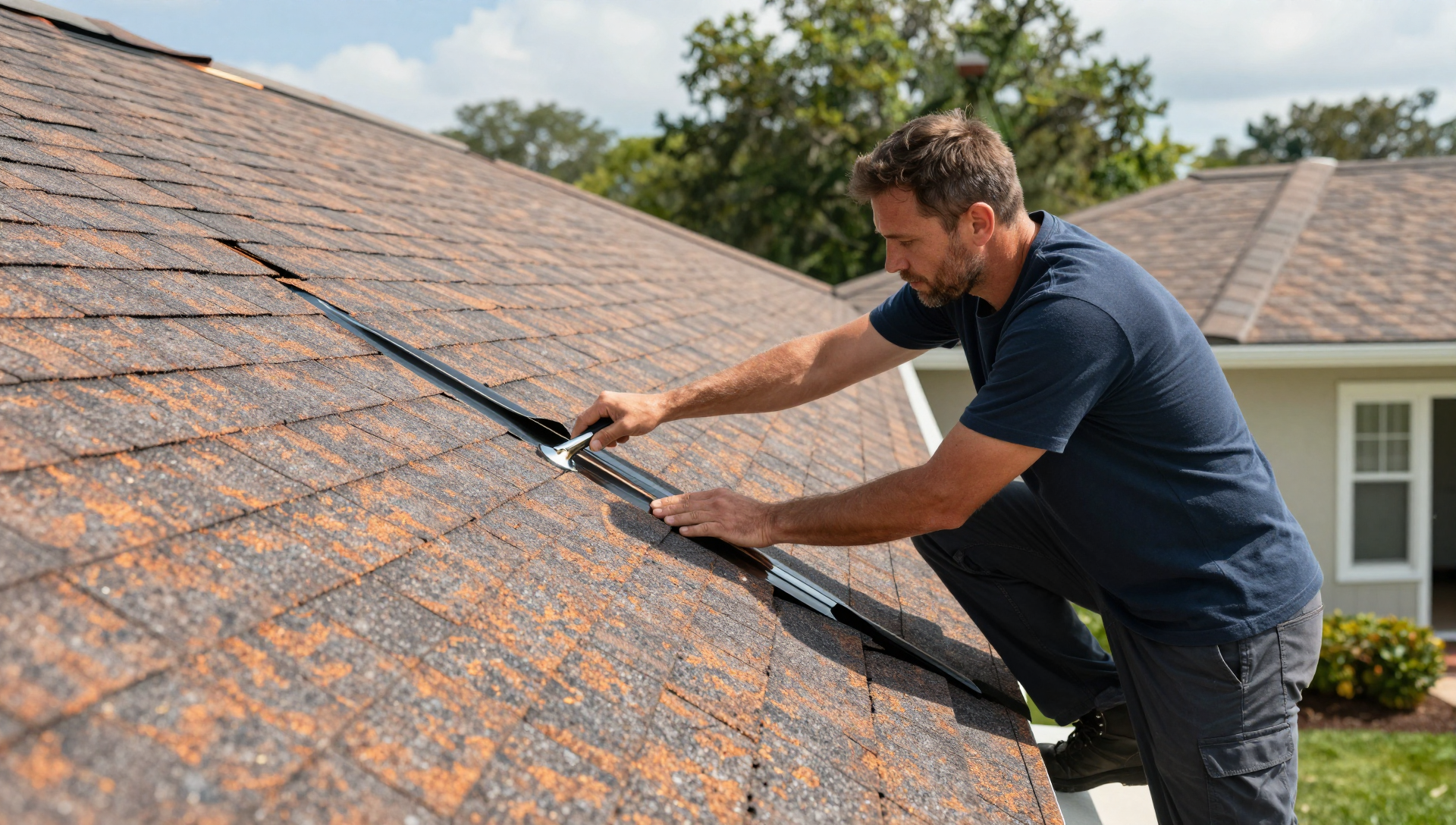
Flashing and penetrations deserve special attention because they are transition points. Depending on the roof, the relevant details may include wall flashing, vent flashing, pipe boots, ridge caps, drip edge or valley components. The repair should address the actual failure rather than cover it with a temporary patch. In Bel Air, the surrounding context is considered only where it affects the property's actual roof or access.
A roof with a history of prior service deserves a clear paper trail. Ask that the current condition, repair area and recommended next step be explained in writing. That makes it easier to know what was corrected and what should be monitored later. In Bel Air, the surrounding context is considered only where it affects the property's actual roof or access.
Storm and rain observations are also useful when documented safely. In Bel Air, note whether a problem follows heavy rainfall, strong wind, or both. That information can help narrow the inspection toward flashing, roof edges, penetrations, valleys or other exposed details. In Bel Air, the relevant local reference is Dixie Belle; the roof condition still decides the repair.
A replacement discussion becomes more useful when several parts of the roof are deteriorating together, when repairs keep recurring in multiple areas, or when the system is no longer a good candidate for isolated service. One leak alone is not proof that the whole roof needs replacement. In Bel Air, the surrounding context is considered only where it affects the property's actual roof or access.
Storm cleanup can leave branches or debris on a roof without obvious shingle loss. A post-event inspection can determine whether the impact affected the surface, edge, flashing or another component. At a Bel Air property, this should be applied to the actual roof assembly and not to a neighborhood-wide assumption.
From a homeowner's perspective, Bel Air is not a roofing system; it is a place where different homes can have different materials, ages and repair histories. Local context is useful for orientation, but the inspection determines the scope. In Bel Air, the relevant local reference is Lake Como; the roof condition still decides the repair.
A practical appointment can include reviewing the homeowner's observations, checking the exterior roof condition, identifying the most likely source, documenting visible damage and explaining the recommended repair. Written estimates are useful because they give the homeowner a clear record of the work being proposed. In Bel Air, the surrounding context is considered only where it affects the property's actual roof or access.
For emergency situations, temporary protection can be discussed when needed. The permanent solution should still address the original failure so the roof is not simply covered until the next storm. In Bel Air, the surrounding context is considered only where it affects the property's actual roof or access.
After impact or debris damage, the inspection should document what is actually affected so the permanent repair does not leave a hidden weak point behind. In Bel Air, the relevant local reference is Ventura; the roof condition still decides the repair.
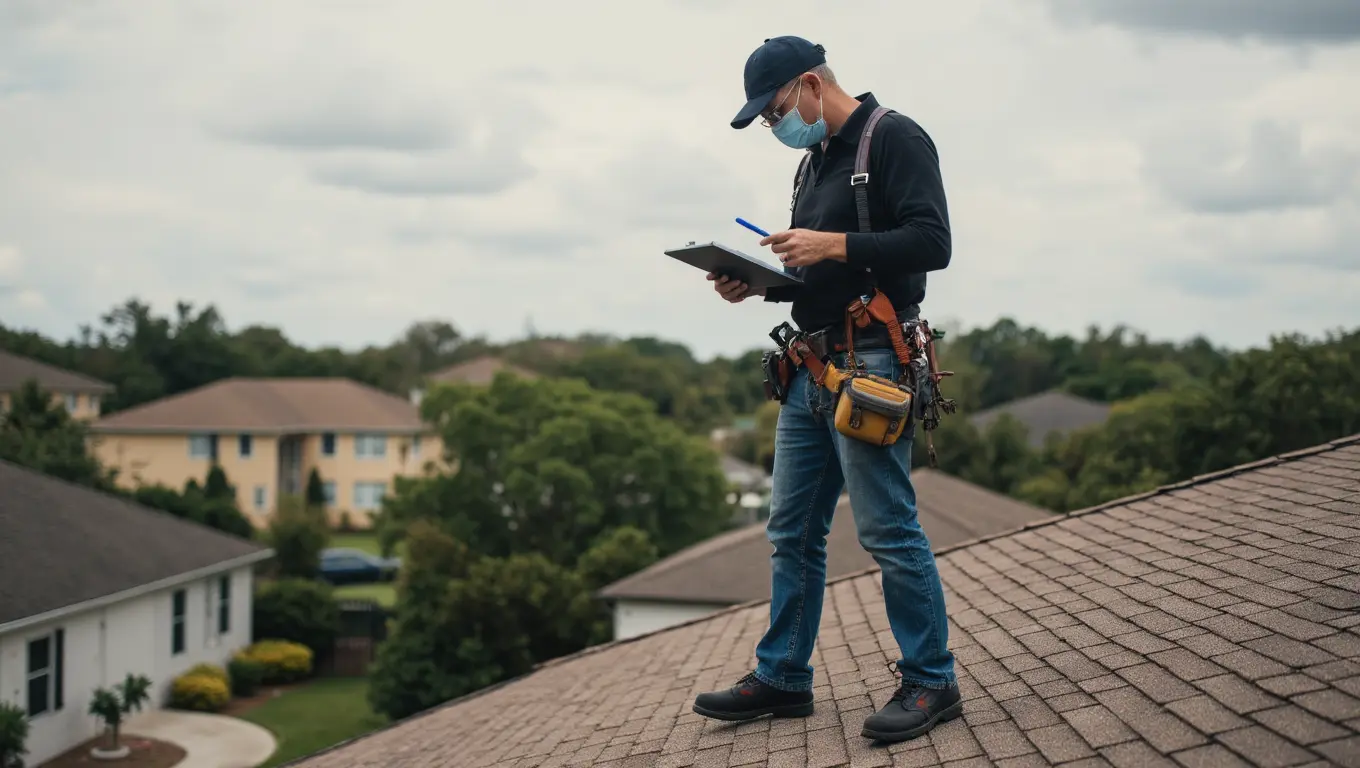
Where local homes have mature landscaping or water-adjacent surroundings, the relevant issue is still the roof's own drainage and exposure. Keep valleys and gutters clear where appropriate, watch for visible debris or branch contact, and arrange a professional check when a roof edge, flashing point or penetration shows signs of trouble. In Bel Air, the surrounding context is considered only where it affects the property's actual roof or access.
For local comparison, the most useful links are the ones tied to adjacent neighborhood context. They support the service-area hierarchy without overwhelming the homeowner with a link list. Lake Como Engelwood Park Azalea Park
A repair conversation is stronger when the owner can point to the area that changed and explain the timing. Storm cleanup can leave branches or debris on a roof without obvious shingle loss. A post-event inspection can determine whether the impact affected the surface, edge, flashing or another component. In Bel Air, references such as Curry Ford Road and Bel Air provide useful orientation; they do not determine the roof scope. After impact or debris damage, the inspection should document what is actually affected so the permanent repair does not leave a hidden weak point behind.
Contextual service paths
Southeast orlando residential geography around curry ford road and nearby lakes. Use the service links below when they match the problem observed at the property; the neighborhood remains the page's primary subject.
Useful for metal systems where fasteners, seams, flashings or penetrations may be involved.
Useful after wind, impact or severe rainfall when the roof needs a post-storm assessment.
A practical companion for homeowners who need repair guidance for a residential roof.
A deeper technical path when the property uses asphalt shingles.
Helpful for low-slope systems where seams, penetrations and drainage need specialized attention.
Use this when water is actively entering or the source of a leak needs urgent attention.
Impact from branches or debris can create damage that is not obvious from a distance. A post-event inspection helps separate real roof damage from harmless debris or cosmetic marks. Around Bel Air, local reference points such as Curry Ford Road and Bel Air help orient the service visit, while Lake Como provides additional geographic context. The repair decision should remain tied to the observed roof condition, not the name of the neighborhood.
Local FAQ
Yes. Flashing and penetration details are important places to inspect when water enters around a transition.
No. The building and roof system determine the appropriate repair.
From safe ground level, look for displaced shingles, damaged edges, loose components and fresh interior staining.
Often, when the problem is localized and the surrounding system remains usable.
It can signal that several components are aging or that earlier work did not address the true source.
Yes, when valleys, gutters and runoff paths relate to the reported problem.
Business location
Use the map as the business-location reference when arranging service in Bel Air. It points to the Orlando base rather than implying a second location inside the neighborhood.
Business address: 6530 Swissco Dr #1117, Orlando, FL 32822
Phone: (689) 282-5370
Email: contact@roofrepairorlandofl.com
Local roof repair
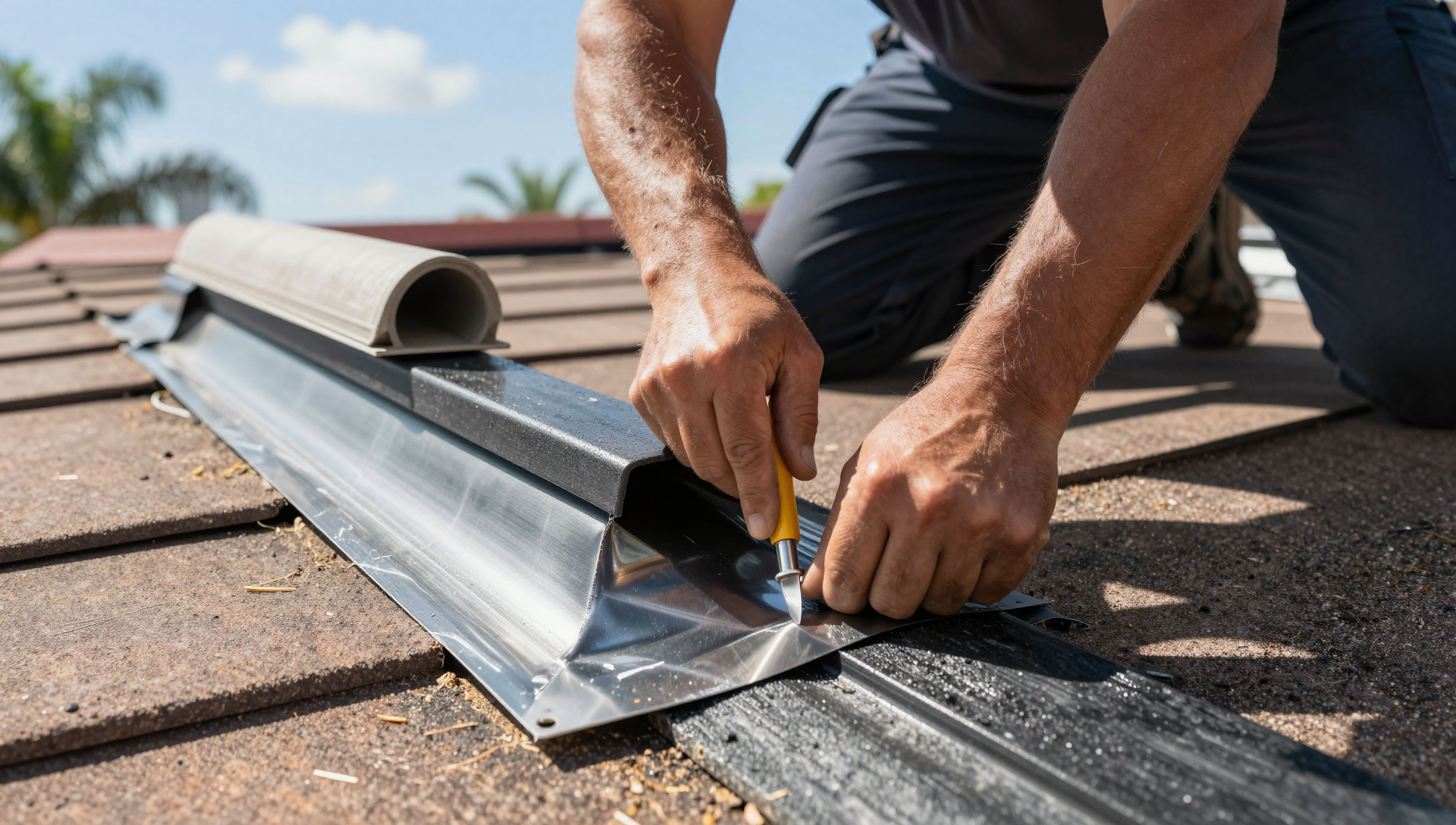
Storm cleanup can leave branches or debris on a roof without obvious shingle loss. A post-event inspection can determine whether the impact affected the surface, edge, flashing or another component. Roof Repair Orlando FL keeps the business address consistent while providing neighborhood-specific service-area guidance.
6530 Swissco Dr #1117
Orlando, FL 32822
License: CCC1327217