Tile Roof Repair Orlando FL
Tile is a visible roof covering, but the water-management system beneath and around it matters just as much. Cracked, broken or displaced pieces can expose the layers below, while a roof can leak even when the visible tiles look intact. Tile roof repair Orlando FL should therefore evaluate the tile field, underlayment, flashing, valleys, ridge and hip details and roof penetrations together. A good repair distinguishes isolated tile damage from a deeper moisture problem. That keeps a cracked til

Tile Roofing Needs a Different Repair Mindset
Tile is a visible roof covering, but the water-management system beneath and around it matters just as much. Cracked, broken or displaced pieces can expose the layers below, while a roof can leak even when the visible tiles look intact. Tile roof repair Orlando FL should therefore evaluate the tile field, underlayment, flashing, valleys, ridge and hip details and roof penetrations together.
A good repair distinguishes isolated tile damage from a deeper moisture problem. That keeps a cracked tile from becoming an excuse for unnecessary replacement, while also preventing a surface-only patch from masking a failed underlying detail. When water enters beneath otherwise intact tile, a roof leak repair assessment should follow the likely path through underlayment and transitions.
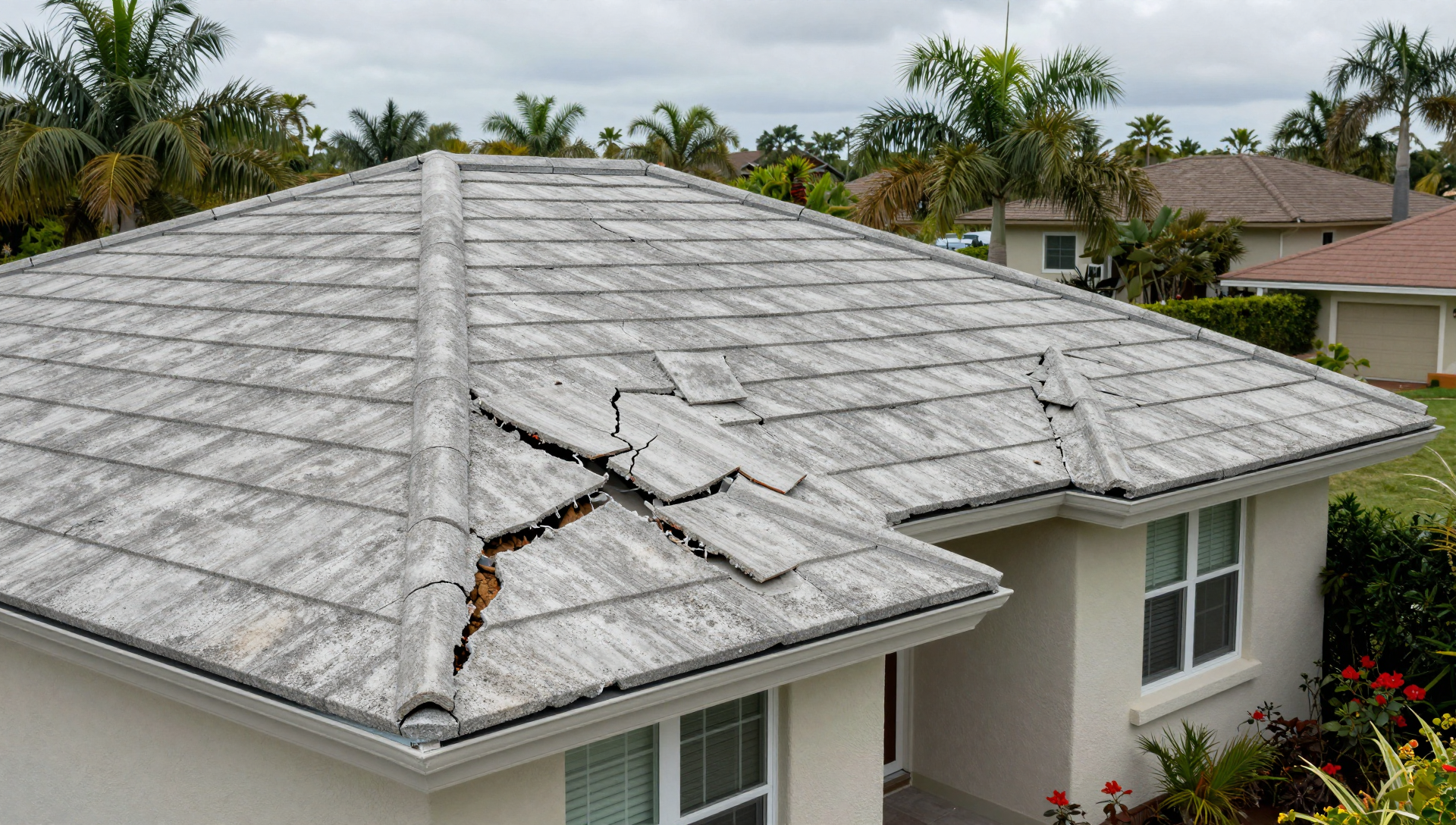
Cracked and Broken Tiles
Tile can crack from impact, movement, weather exposure or improper access. A broken piece may be easy to see, but its location matters. Damage around a penetration, valley or roof edge can have different implications from an isolated field tile.
Replacing the affected tile is often straightforward when the surrounding assembly is sound. Where several tiles are damaged in a concentrated zone, the inspection should also consider whether an impact or storm event affected adjacent pieces or the support beneath them.
Roof-system checkpoints
- Roof surface
- Flashing and transitions
- Penetrations
- Water-shedding path
Displaced and Slipped Tiles
Wind can move tiles out of their intended alignment, leaving gaps that increase exposure to wind-driven rain. Slipped tiles may also point to fastening or support issues. Ridge and hip tiles deserve particular attention because they occupy exposed positions and are part of the roof's weather-sealing geometry. Wind-related movement is a reason to consider storm and hurricane roof damage across nearby field, ridge and hip areas.
Repair should restore the tile pattern and address the reason a tile moved. Resetting a piece without evaluating adjacent support or fastening conditions can allow the problem to recur.
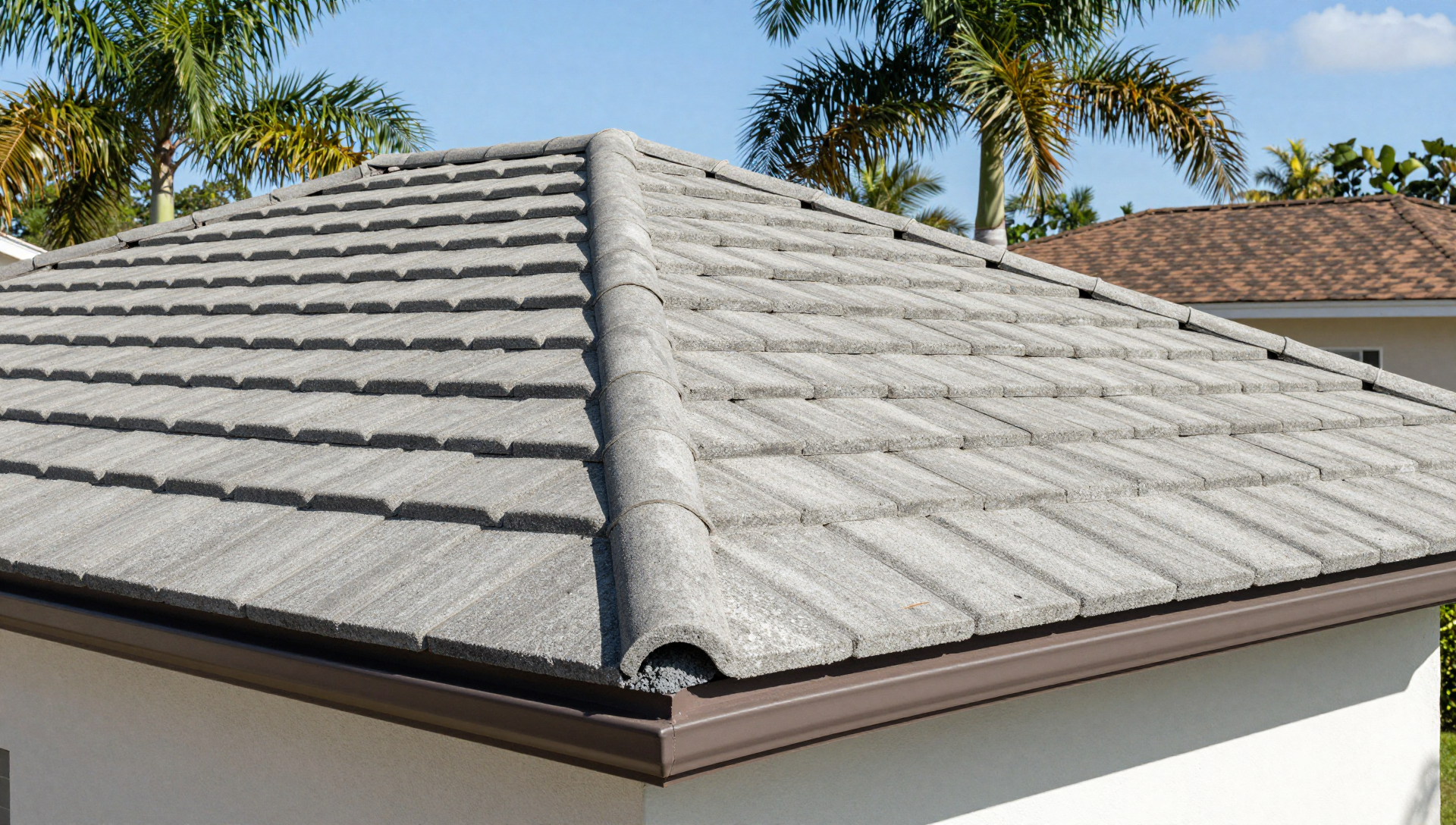
Concrete Tile and Clay Tile Are Not Identical
Concrete tile and clay tile share broad roofing concepts but differ in material, profile, weight and replacement availability. A replacement needs to fit the installed roof rather than simply resemble it from a distance.
Older roofs can present matching challenges when a profile or finish is no longer widely available. A written repair recommendation should make clear whether the proposed tile is an exact match, a close substitute or part of a broader repair strategy.
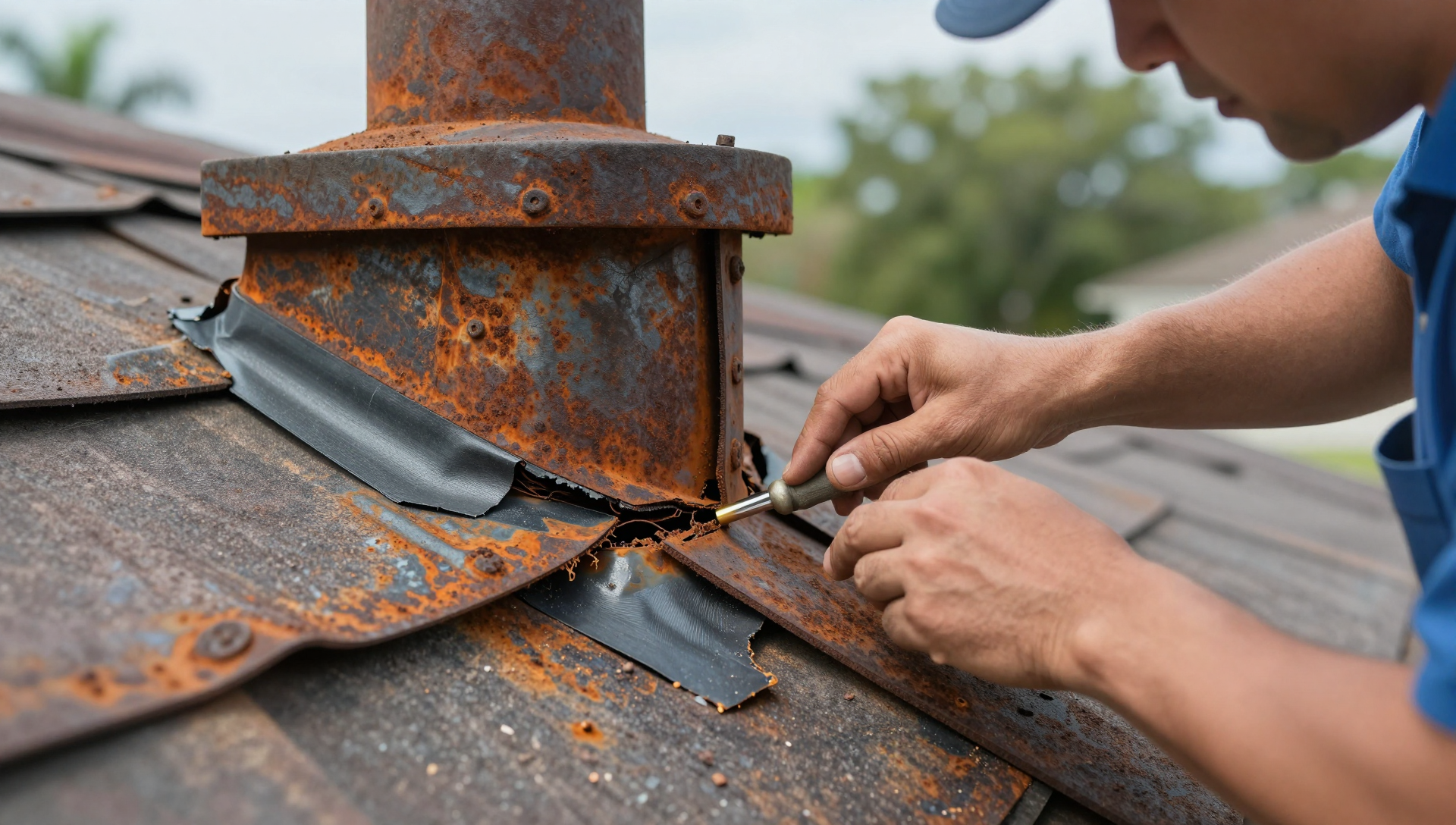
Underlayment Behind the Tile
The tile surface does not tell the full story of moisture control. Underlayment beneath tile can be affected by prolonged exposure, age or repeated water entry. If a tile roof leaks while visible pieces appear intact, underlayment and flashing become important diagnostic areas. A professional roof inspection can help distinguish a tile-only defect from a flashing or underlayment problem.
Not every underlayment condition can be observed without removing or lifting material. The limits of what was visible should be explained so homeowners understand the difference between an observed defect and a suspected underlying condition.
Roof-system checkpoints
- Roof surface
- Flashing and transitions
- Penetrations
- Water-shedding path
Flashing, Valleys and Penetrations
Flashing directs water around roof transitions, while valleys concentrate runoff and penetrations interrupt the roof plane. These areas deserve careful attention when tile leaks recur. A flashing problem may remain after a broken tile is replaced, and a penetration seal can fail without leaving an obvious crack in the surrounding tile.
A system-specific inspection follows the water path rather than focusing only on the most visible piece of broken roofing.

Ridge and Hip Tile Repairs
Ridge and hip areas experience wind exposure and movement. Loose or displaced pieces can affect both weather protection and roof safety. These areas should be inspected as a run rather than as one isolated tile because adjacent pieces share the same roof geometry.
A repair plan can include resetting or replacing damaged ridge or hip tile and reviewing the attachment or bedding conditions visible in the area. When deterioration is widespread, roof replacement may be more appropriate than repeating isolated tile repairs.
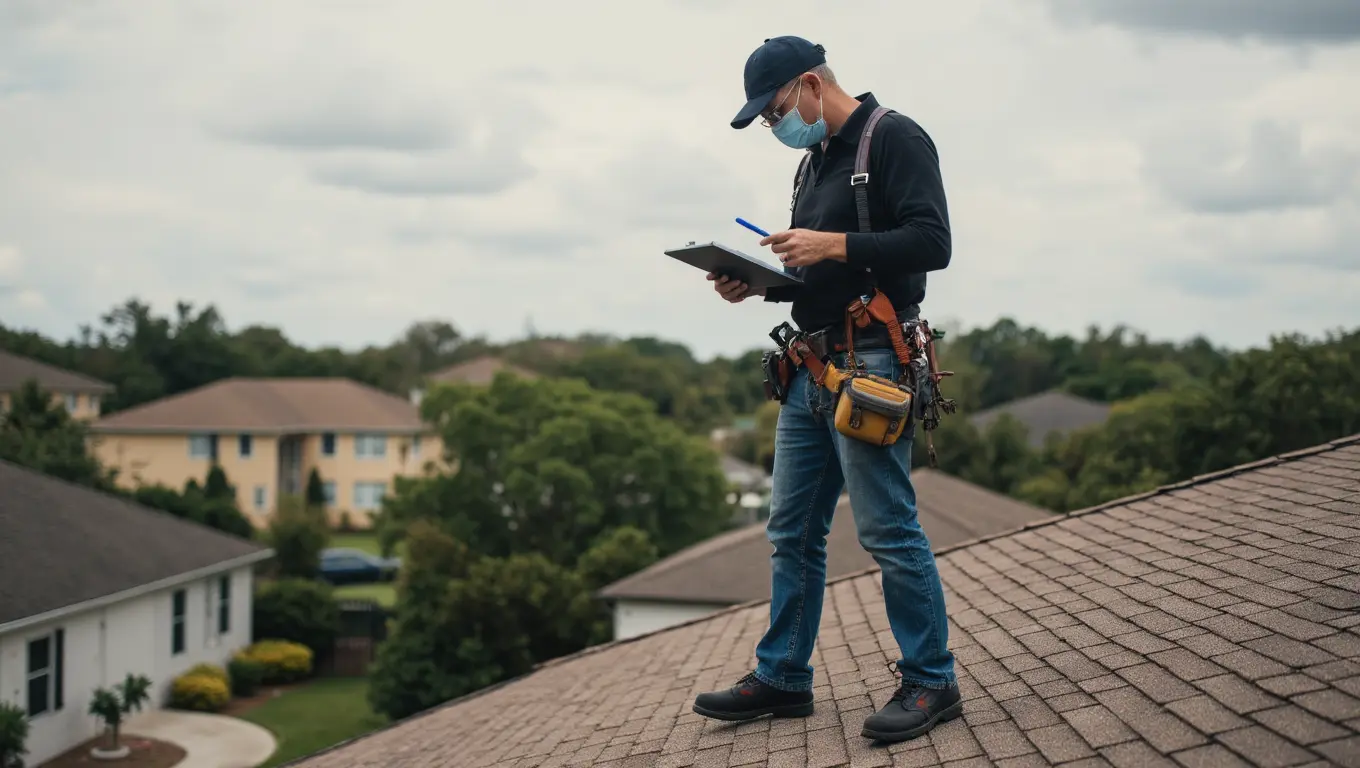
Tile Roof Access and Foot Traffic
Tile should not be treated as an ordinary walking surface. Incorrect foot placement can crack or shift tiles, turning an inspection or maintenance visit into a source of new damage. Professional access methods reduce this risk while allowing the roof to be evaluated.
This is one reason tile inspections should be approached differently from shingle inspections. Protecting intact tile during diagnosis is part of responsible repair work.
Roof-system checkpoints
- Roof surface
- Flashing and transitions
- Penetrations
- Water-shedding path
Storm and Impact Damage in Orlando
After strong weather, look for cracked or displaced tile, chipped surfaces, loose ridge and hip components, damaged flashing and signs of water intrusion. Wind-driven rain can enter beneath a displaced tile before an indoor stain appears.
A post-storm assessment should document visible damage and determine whether stabilization is needed. Permanent repair can follow once the roof is safe to work on and the extent of the damage is understood. Urgent active water entry may call for emergency roof leak repair before permanent tile work is completed.

Tile Leak Diagnosis
A tile roof leak may begin above the visible ceiling stain and may not correspond to the most obvious broken tile. Water can move beneath the tile covering and along underlayment before reaching the interior. This is why a tile roof inspection should consider likely water paths and roof transitions.
The purpose of diagnosis is to determine whether the issue is tile-only, detail-related or a combination. That leads to a more precise repair scope.

Repair or Tile Roof Replacement?
Isolated cracked or broken pieces can often be repaired when the surrounding tile, underlayment and flashing are in suitable condition. Replacement becomes more relevant when tile failure is widespread, underlying materials are significantly deteriorated or recurring leaks show that spot repairs are no longer resolving the larger system condition.
The decision should consider tile material, profile availability, roof history, underlayment evidence, flashing, penetrations and storm exposure. For residential properties, residential roof repair guidance can help keep the scope aligned with the home's roof assembly.
Roof-system checkpoints
- Roof surface
- Flashing and transitions
- Penetrations
- Water-shedding path
Tile Roof Maintenance
Keep drainage areas clear, address displaced or cracked pieces promptly and avoid unnecessary walking on the tile. After a major storm, visually check accessible roof edges and interior ceilings for new signs of water entry.
Prompt attention can reduce the chance that a small broken tile becomes a longer-running moisture problem.
Field Notes That Can Improve the Diagnosis
Tile roof repairs benefit from separating visible breakage from movement and moisture. A cracked tile in an otherwise stable field has a different repair path from multiple slipped tiles along one slope. A leak around a penetration may remain even after a visibly broken piece is replaced if the flashing or underlayment below it is contributing to water entry. That is why tile inspection should consider both the pattern of visible damage and the roof geometry around it. Homeowners can help by recording whether the issue followed a storm, whether water appears only under certain rainfall conditions, and which interior rooms are affected. Ground-level photographs of displaced or broken pieces can also help. Avoid climbing onto the roof to obtain close-up images; preserving intact tile is more important than confirming a detail personally. Where a property has mixed roof systems, the adjoining area may also require shingle roof repair rather than tile work alone.
Repair or Replacement: How the Roof-System Decision Changes
| Condition | Typical finding | Likely direction |
|---|---|---|
| Isolated tile damage | One or a few broken/cracked tiles | Tile replacement |
| Detail/underlayment issue | Leak continues despite intact visible tile | System/detail repair |
| Widespread deterioration | Extensive tile or underlying failure | Replacement assessment |
A Tile Roof Repair Evaluation
Identify the tile system
Confirm the material and profile and review field, ridge, hip, valley and flashing conditions.
Check underlying clues
Look for evidence of moisture below the tile and clearly note areas that cannot be directly observed.
Match the repair method
Replace or reset damaged tile and address detail failures when they are part of the water path.
Document the result
Explain the completed work and any remaining limitations or maintenance observations.
Orlando and Central Florida Roof-System Considerations
Central Florida weather can move or crack tile and can test the flashing and underlayment beneath it. Post-storm review should include field tile, ridge and hip areas and visible signs of water intrusion. Roofing conditions in communities such as Rose Isle are evaluated within the same Orlando-area service network.
Roof Repair Orlando FL operates from 6530 Swissco Dr #1117, Orlando, FL 32822 and uses the same business identity for service-area work. Written estimates and a 10-year written workmanship warranty are approved business claims. We also serve homeowners in Lake Nona, Rose Isle.
Verified business information
- Roof Repair Orlando FL
- CCC1327217
- (689) 282-5370
- Serving since 2001
View Roof Repair Orlando FL on Google Maps
This verified map identifies the business location used for the service pages. These pages do not represent separate branches.
Practical Guidance Before the Repair Begins
A useful tile-roof scope separates three different findings that are easy to confuse: damage to the visible tile, damage to a transition such as flashing or a valley, and evidence of moisture beneath the tile covering. Those findings can lead to very different repairs. A cracked field tile with a sound surrounding assembly is a narrow repair. A recurring leak around a valley or penetration may require detail work even when nearby tile is intact. Evidence of widespread underlayment deterioration can move the conversation toward replacement. Tile matching is another practical issue. The best match is based on profile and material as well as color. Older concrete and clay products may be discontinued, and weathering changes how installed tile looks compared with a new piece. A written recommendation should set clear expectations rather than implying that every replacement can be made visually identical.
Why Repair Scope Matters on This Roof System
Tile repair also benefits from attention to roof geometry. Valleys, ridges, hips and penetrations create places where water flow changes direction and where a small movement can expose underlying layers. A field tile replacement can be correct while still leaving a related detail issue untreated if the surrounding geometry is not reviewed. When a roof has had previous repairs, note whether replacement pieces are from different profiles or generations. Mixed tile can be a sign that the roof has been repaired several times over its life. That does not automatically require replacement, but it is useful context when evaluating matching, appearance and future repairability.
Roof-System Questions Homeowners Ask
Can individual cracked roof tiles be replaced?
Yes, when the damage is localized and the surrounding roof system remains sound. The adjacent tile and underlying conditions should still be checked so the repair does not miss a related problem.
Can a broken tile damage the underlayment?
It can. A broken or displaced tile can expose the underlayment to weather, and prolonged moisture can contribute to deterioration beneath the visible covering.
Why is my tile roof leaking if I cannot see a broken tile?
Leaks can originate from underlayment, flashing, valleys, penetrations or other roof details. Water may also travel beneath the tile before becoming visible inside.
What is the difference between concrete and clay tile repair?
The materials, profiles, weight and replacement availability differ. Repair should be based on the actual tile installed rather than treating all tile as interchangeable.
What causes roof tiles to slip or become displaced?
Wind, fastening or support problems, movement and damage can all contribute. Inspection should identify the cause before the tile is reset or replaced.
Can tile roof damage after a storm be repaired without replacing the whole roof?
Often, when damage is limited and the underlying system is in good condition. Widespread tile or underlayment damage may require a broader replacement assessment.
Is it safe to walk on a tile roof?
Tile is vulnerable to cracking and displacement from improper foot traffic. Professional access methods help reduce the risk of causing additional damage during inspection or maintenance.
Can an older tile roof be color matched?
A close match may be possible, but exact matching depends on the original profile, finish, weathering and product availability. Older discontinued tile can be particularly difficult to match exactly.
Compare Roof Repair by System
These related resources help when the next decision depends on the roof system, leak type, or broader property context.
Need the Right Repair for Your Tile Roof?
Describe the problem you are seeing and request the roof-system-specific service that fits your property. You can also call the Orlando team directly.